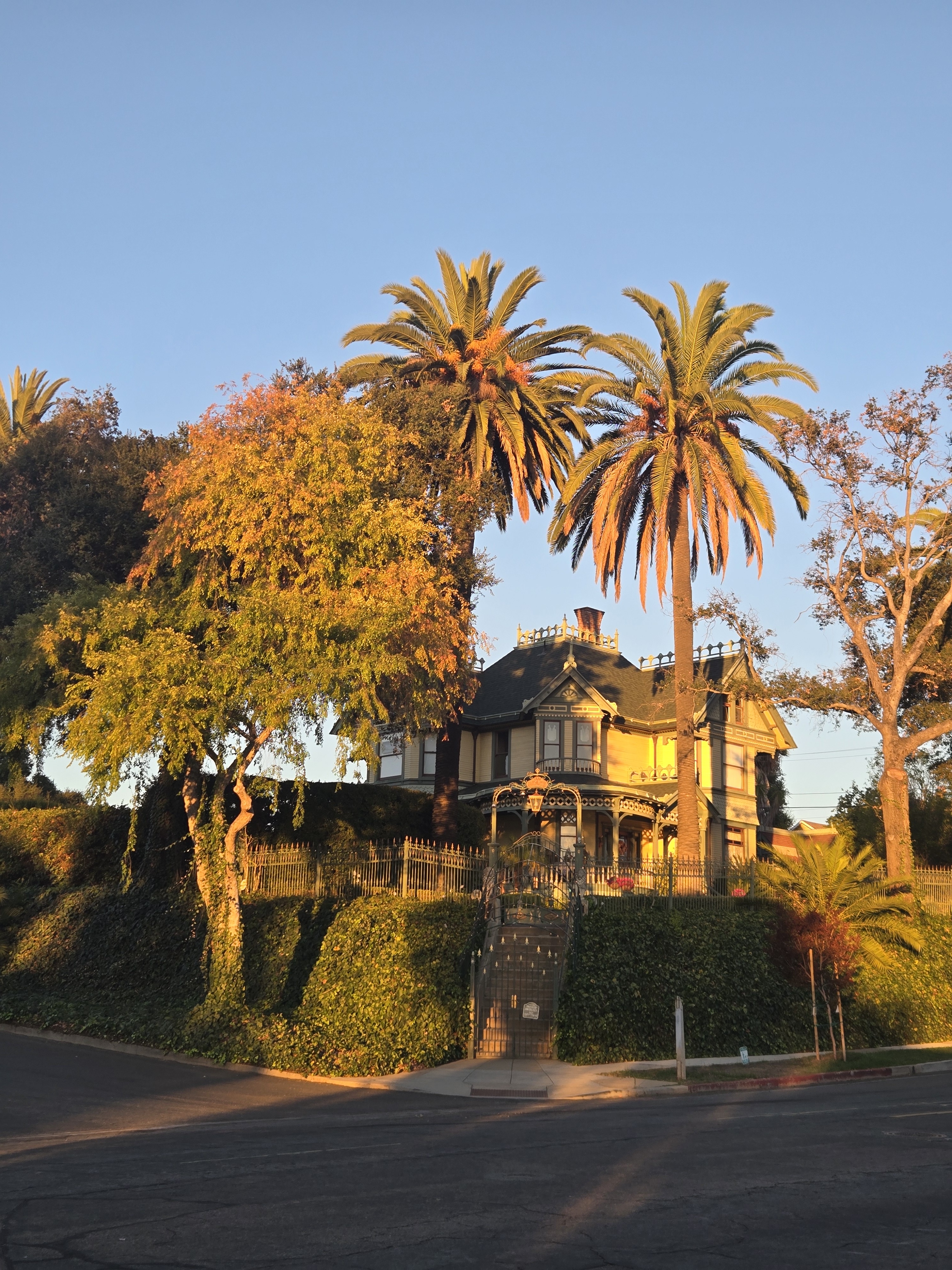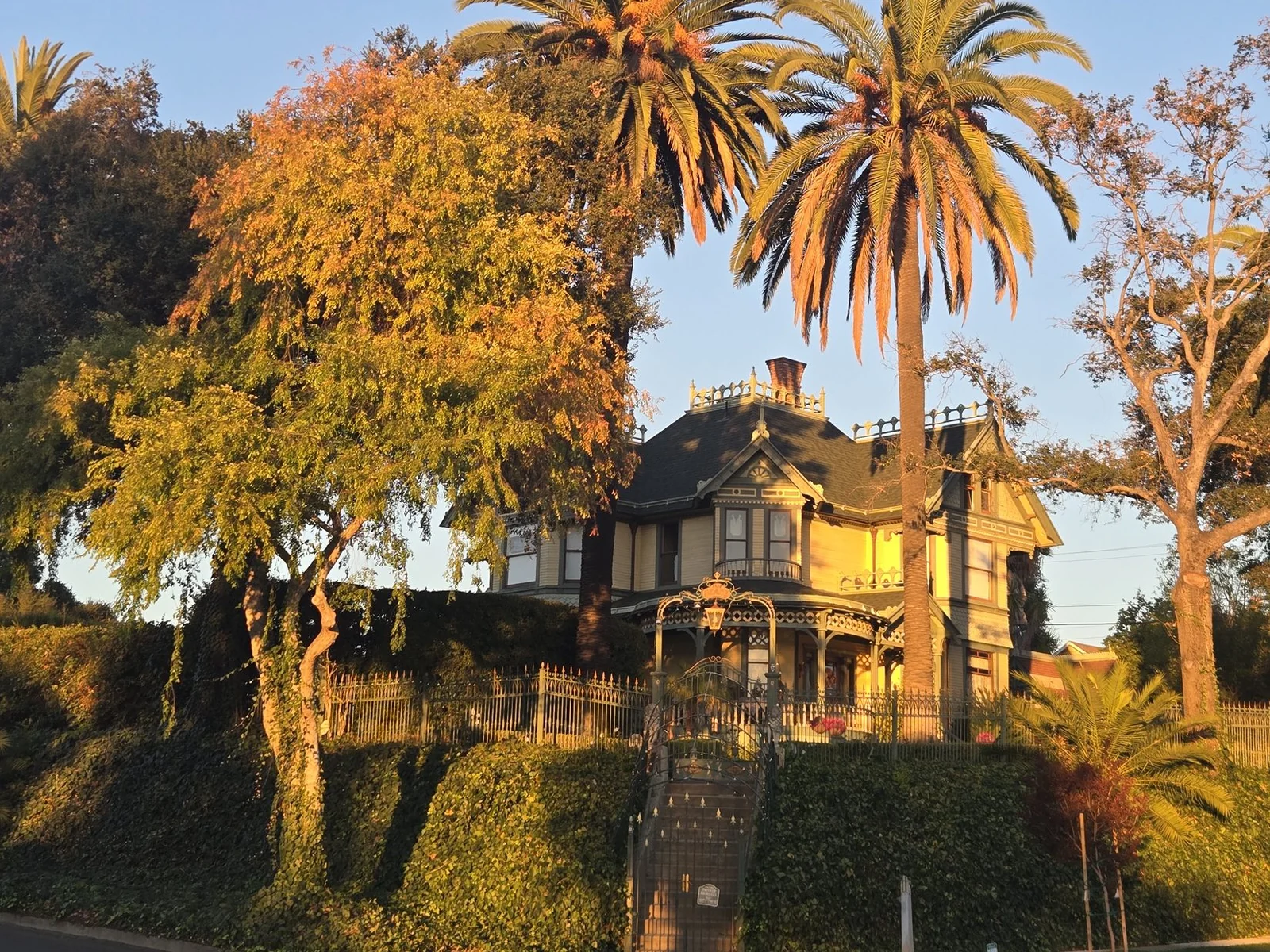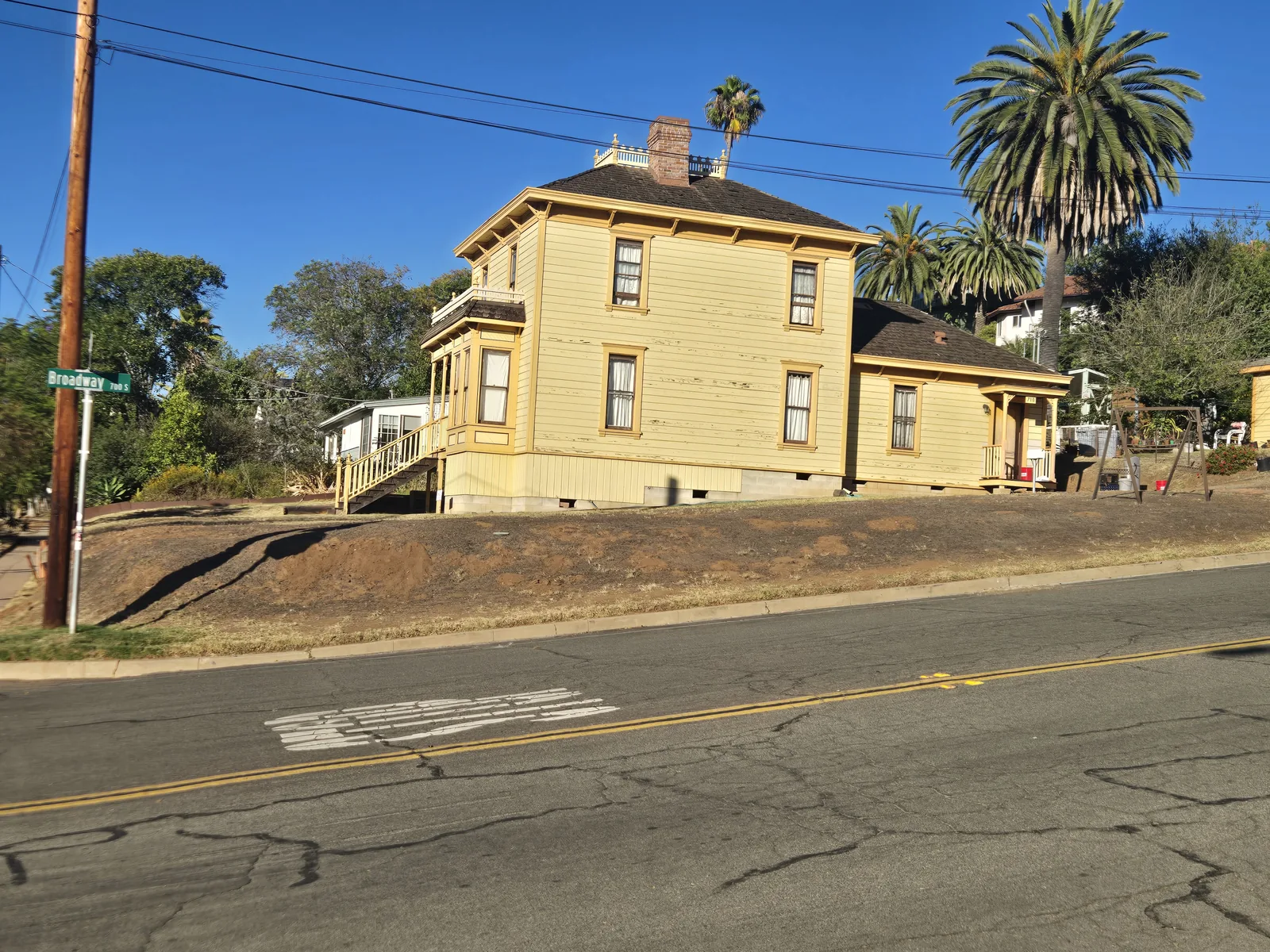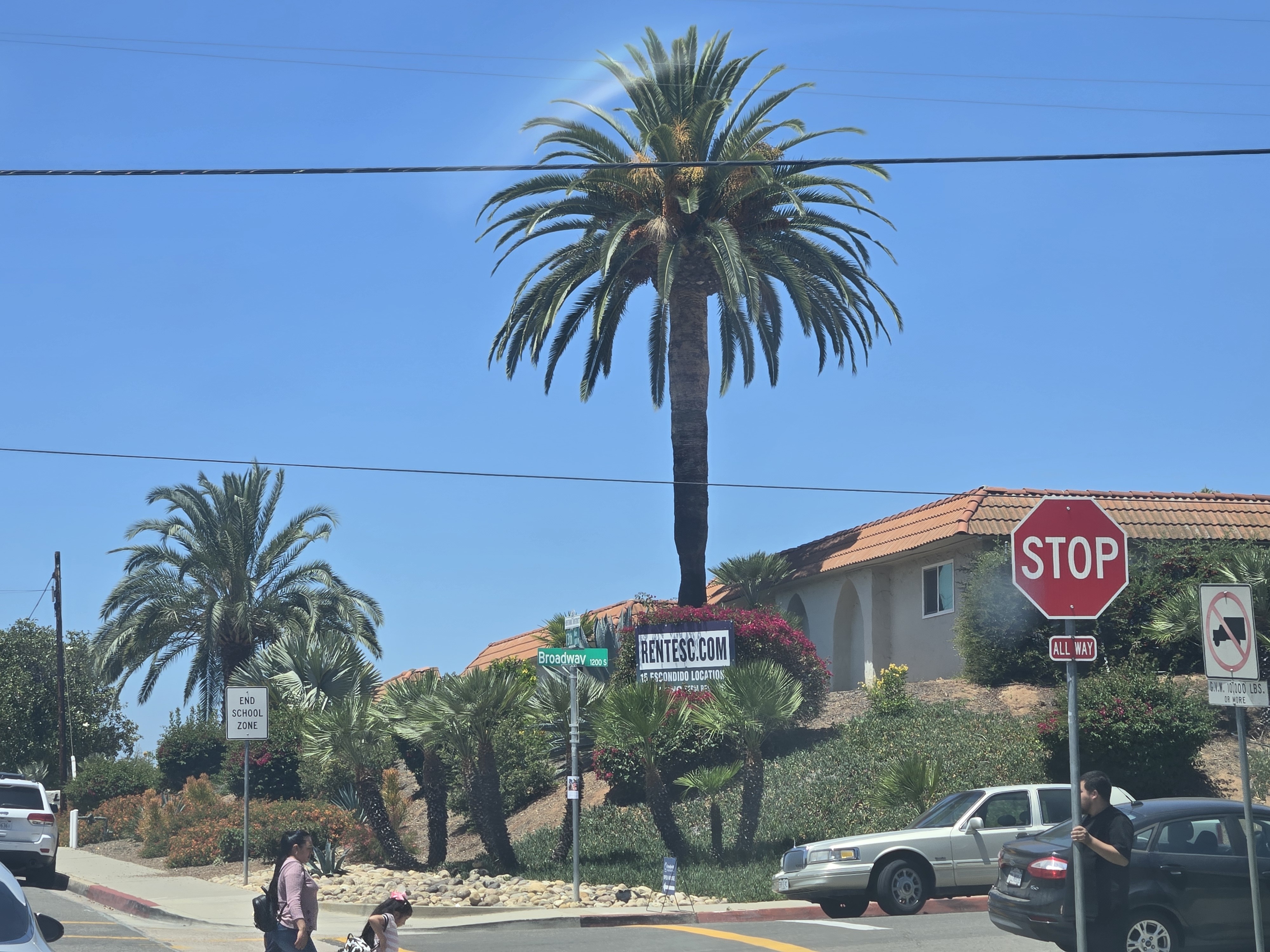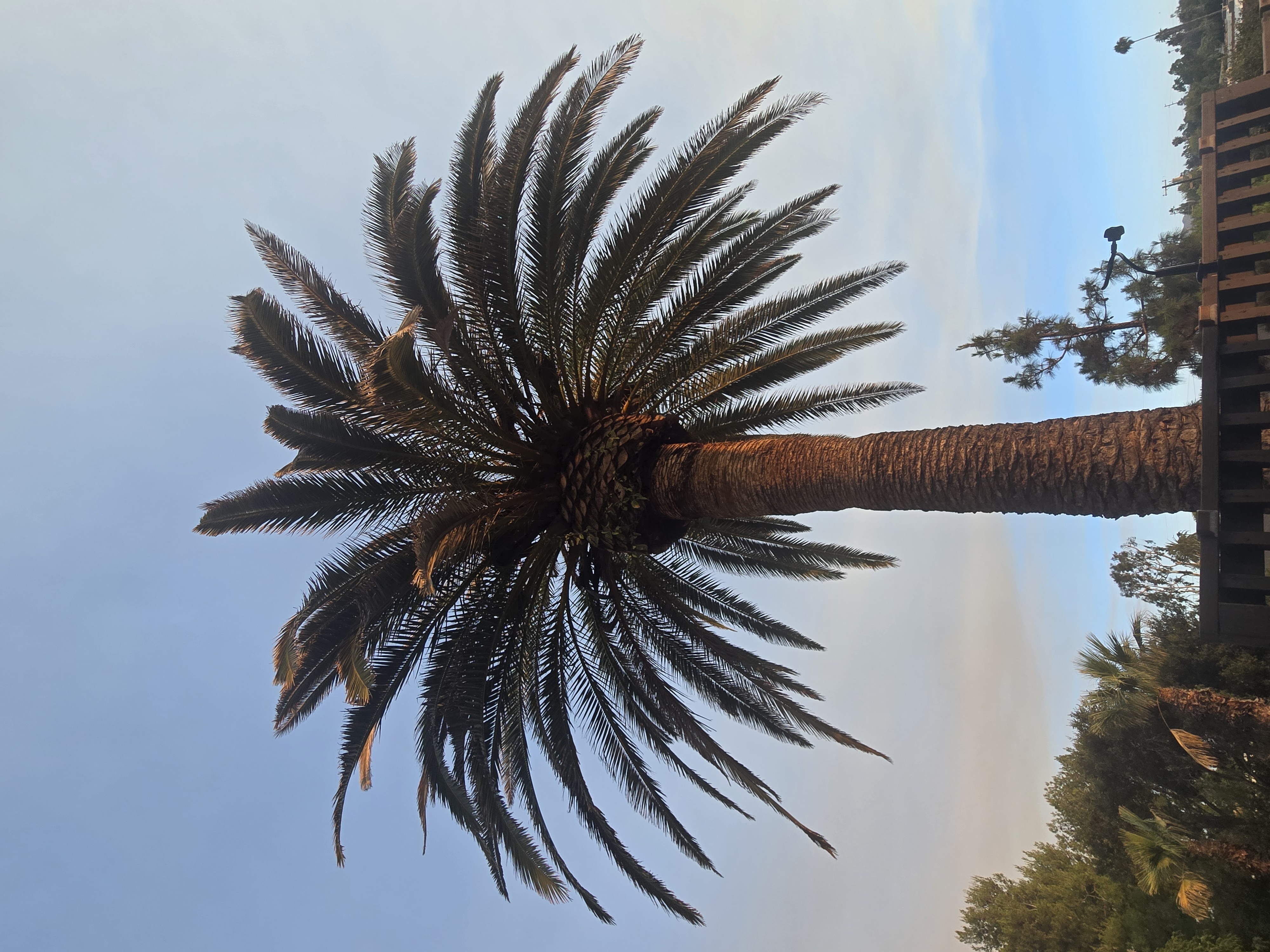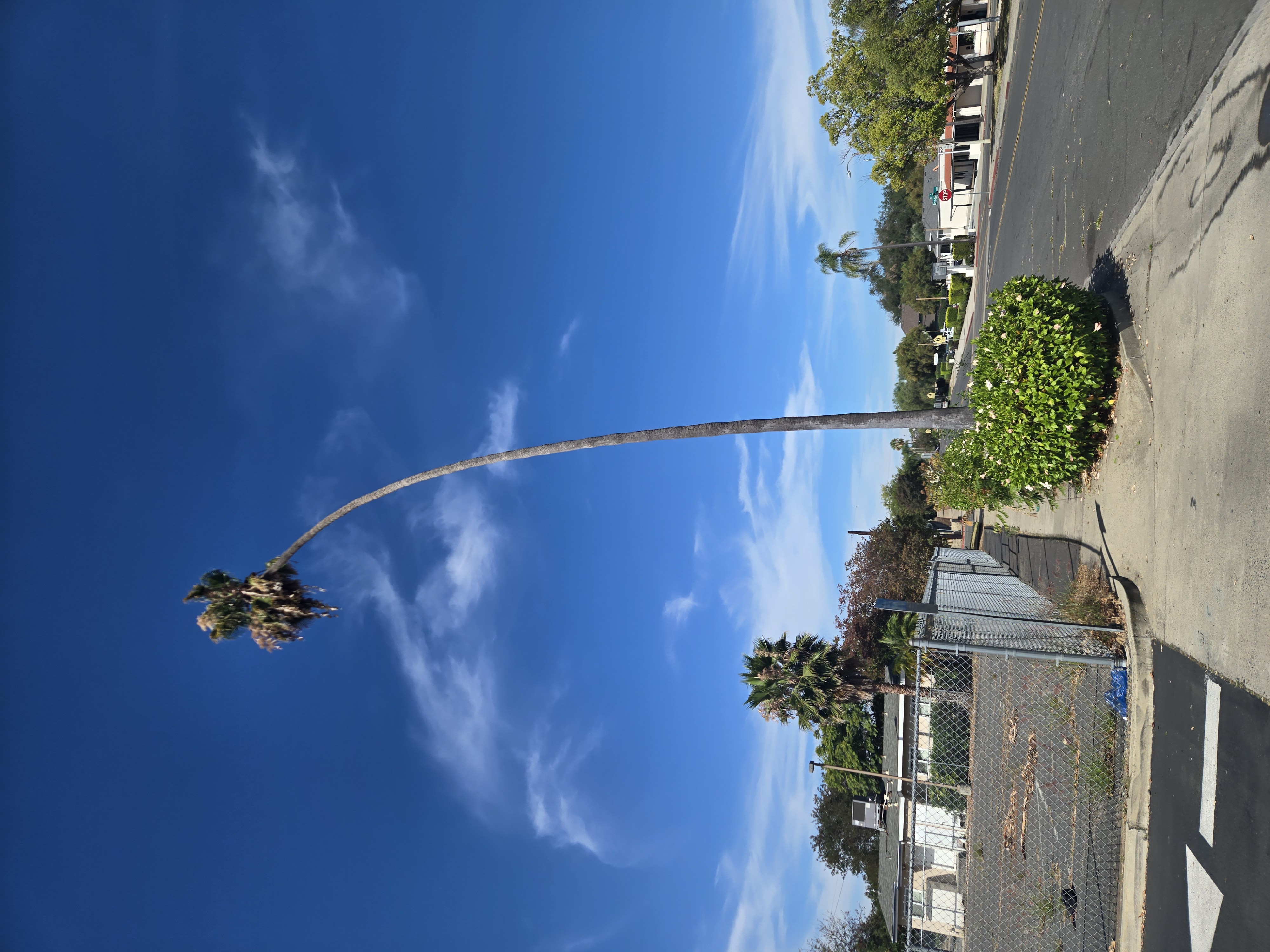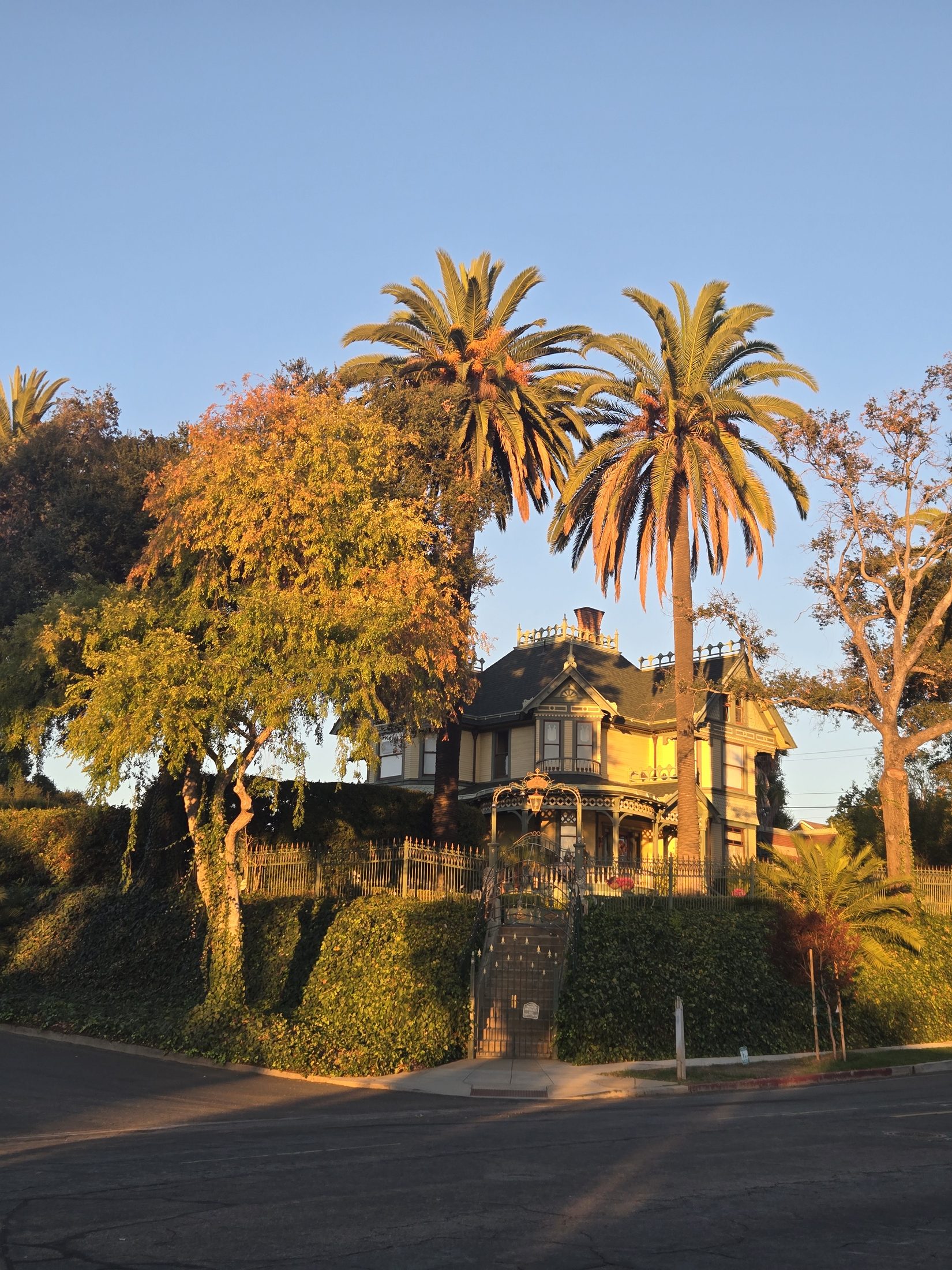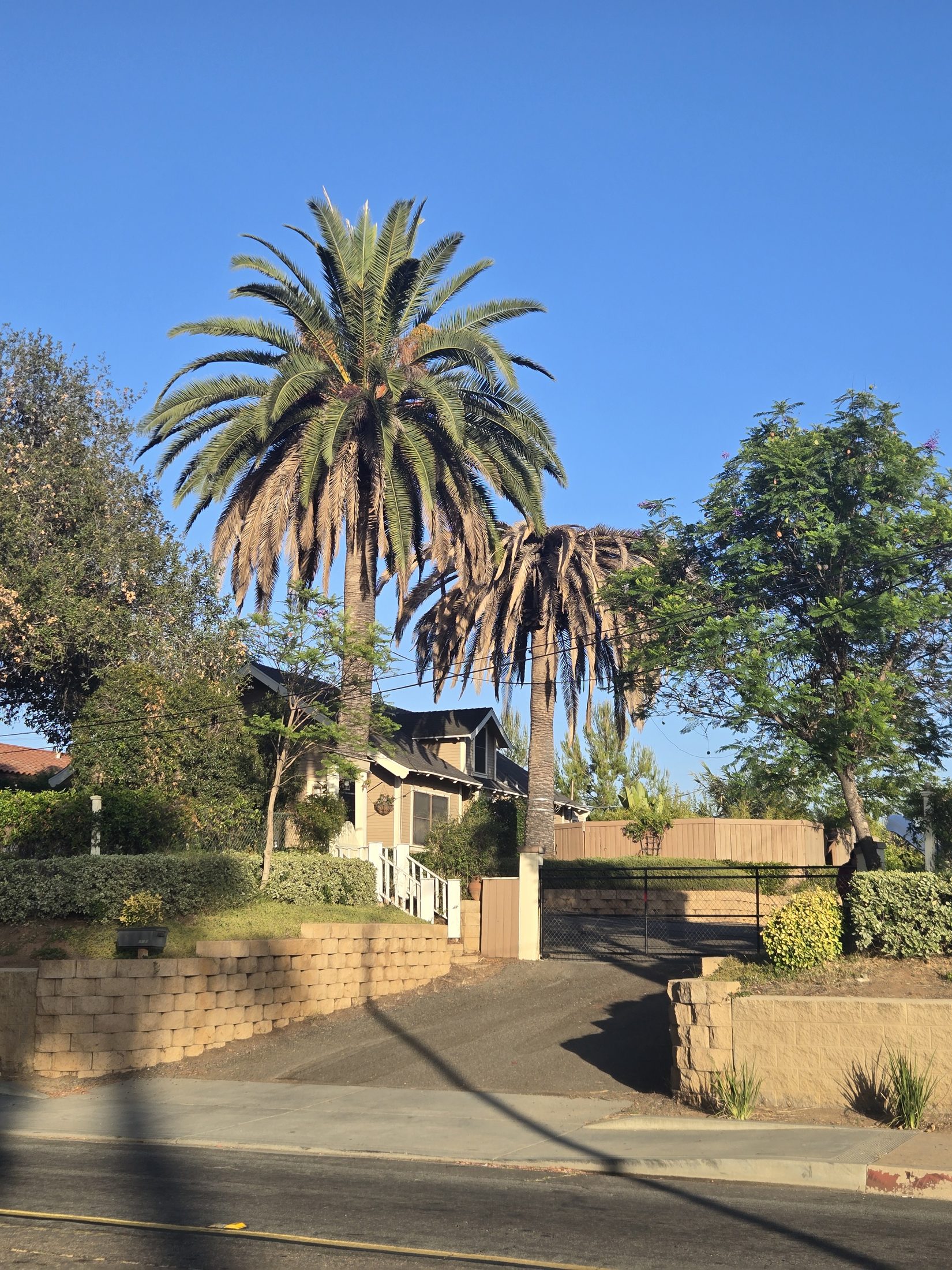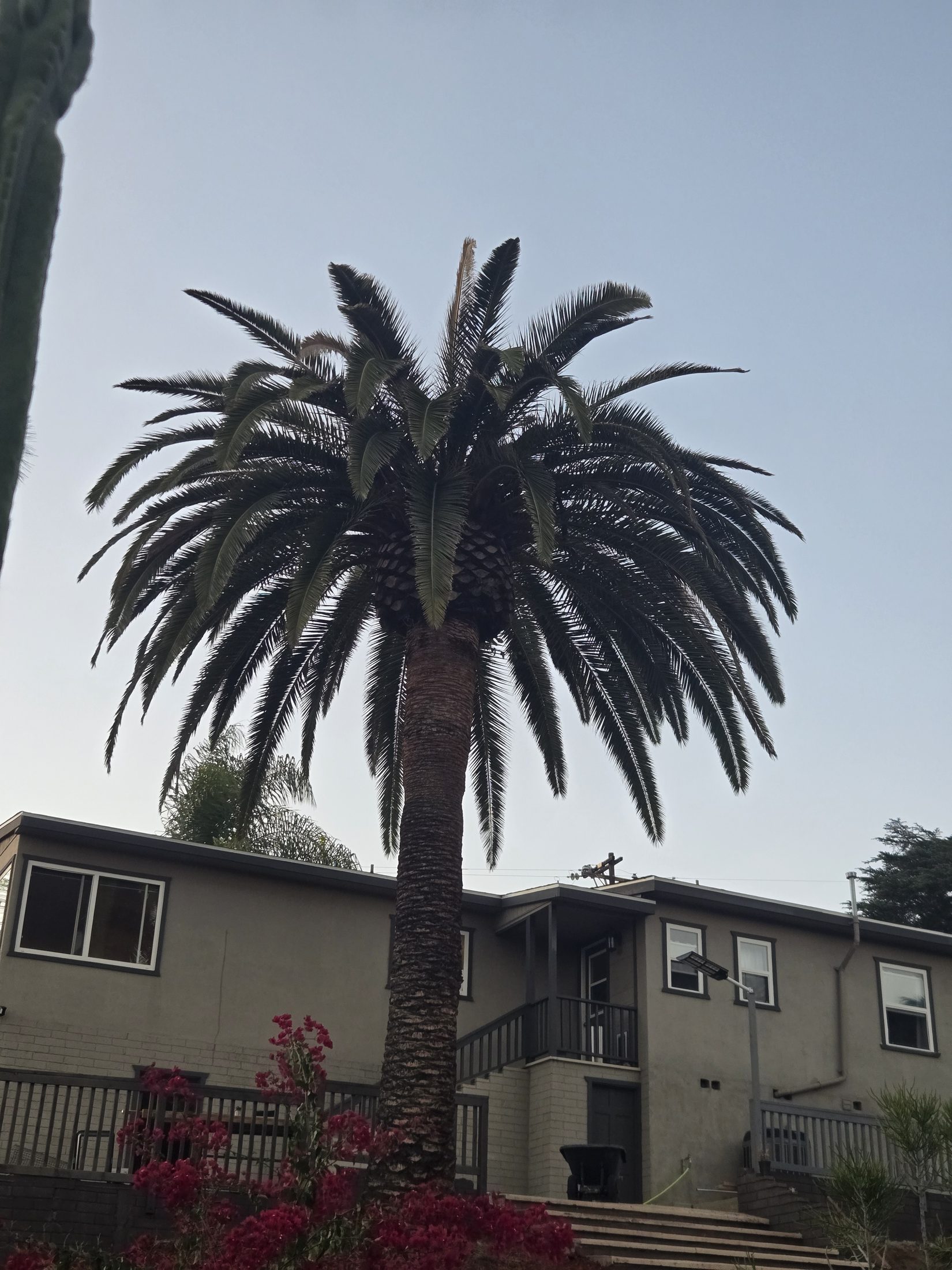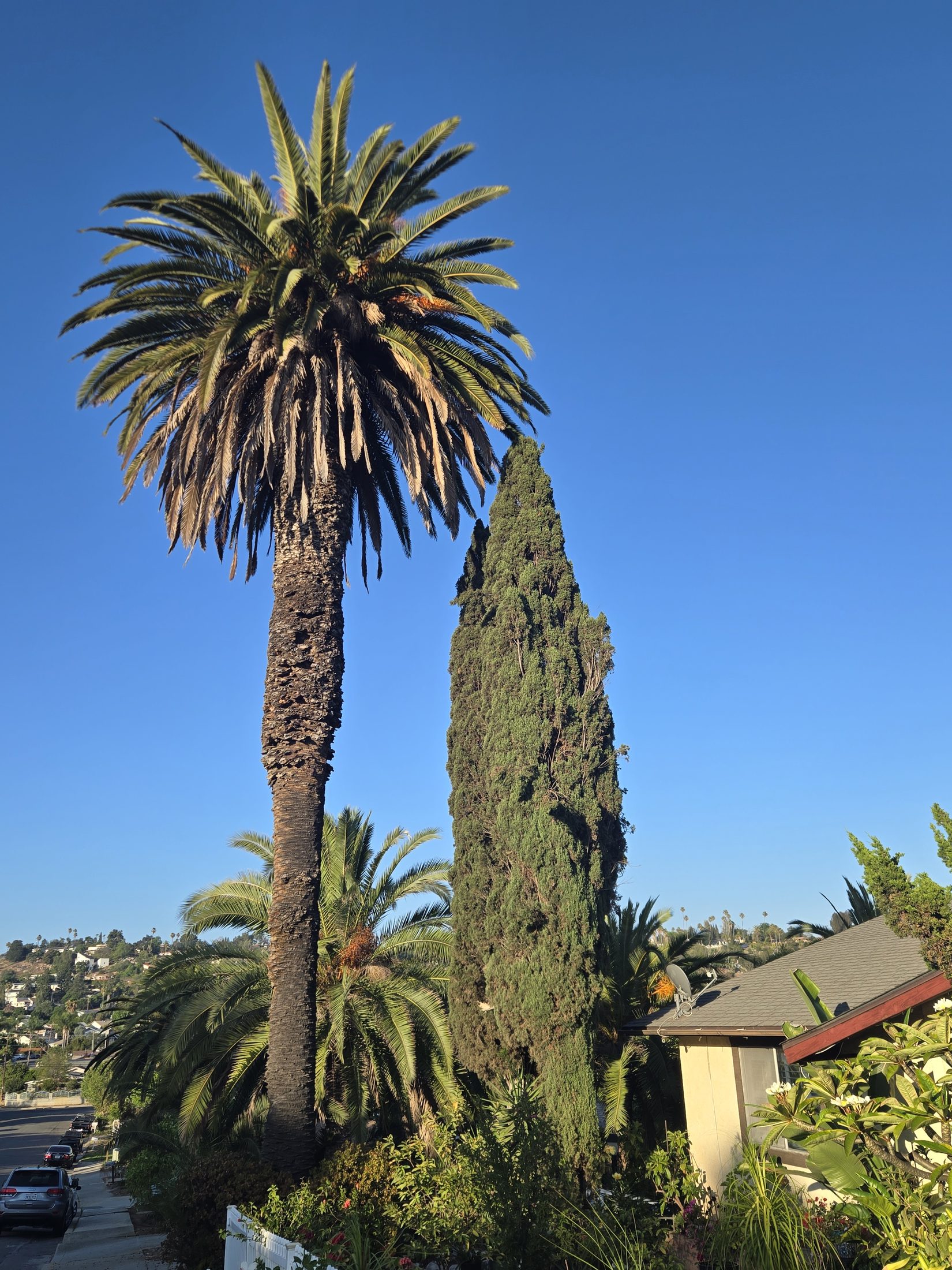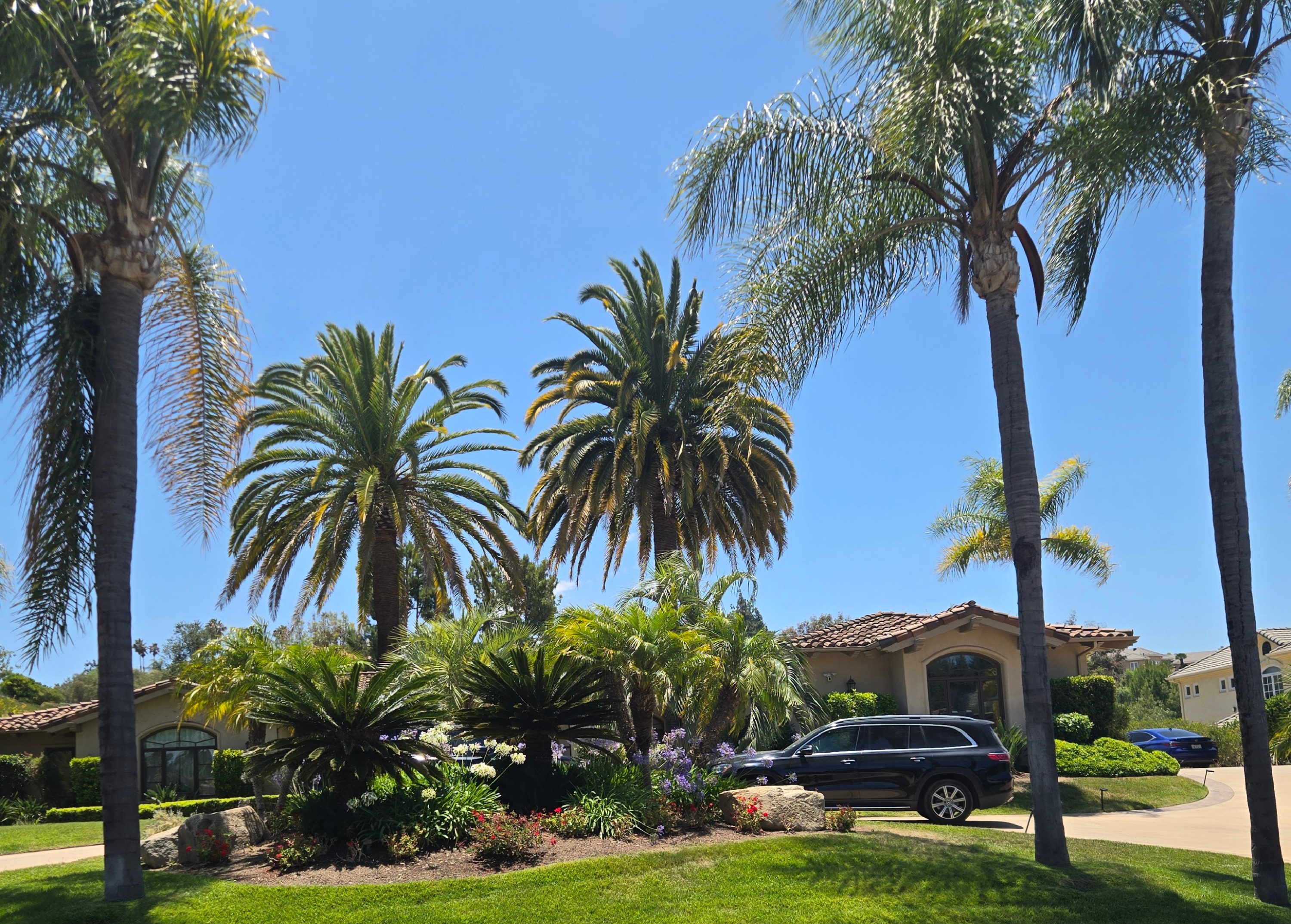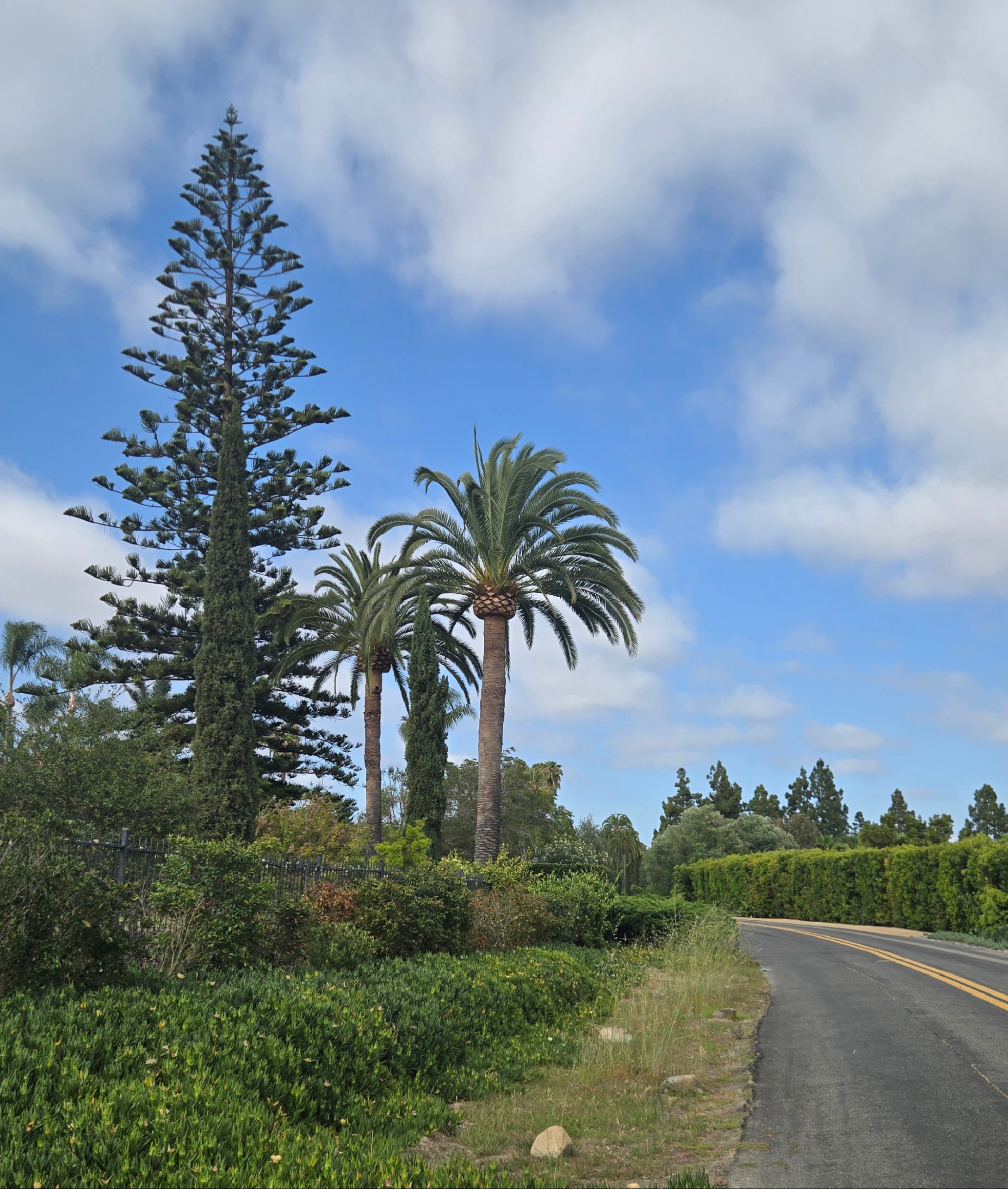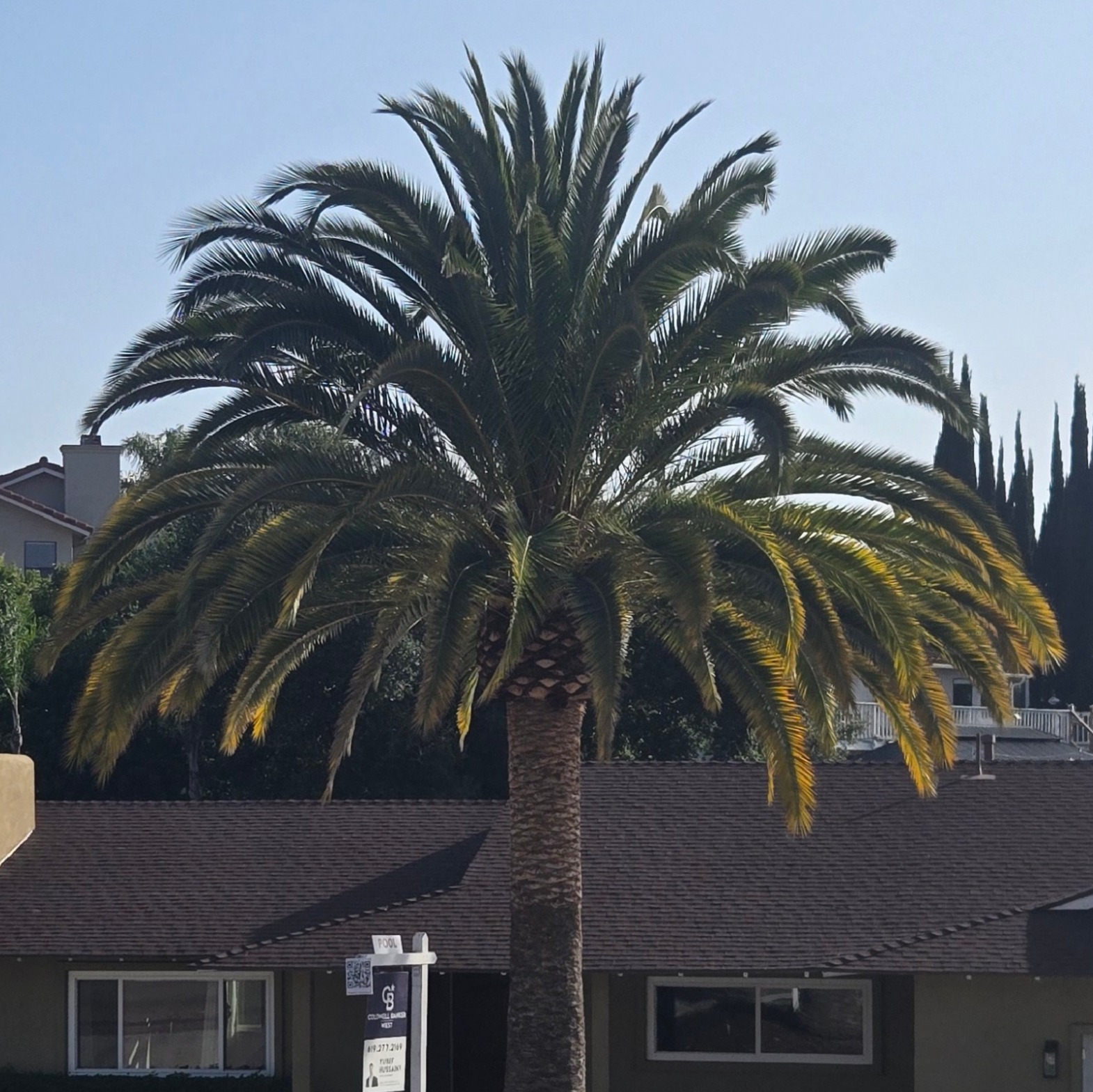
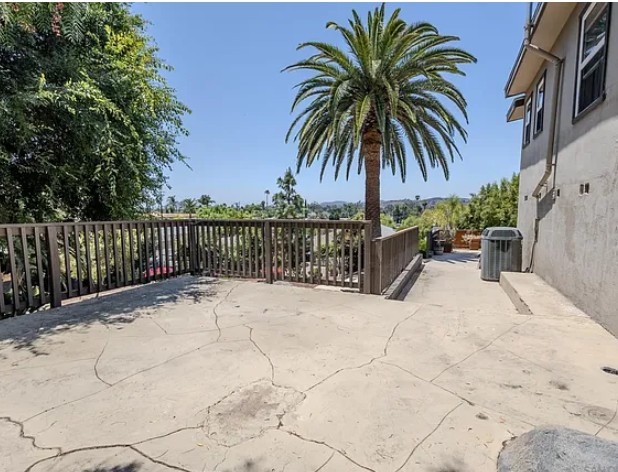
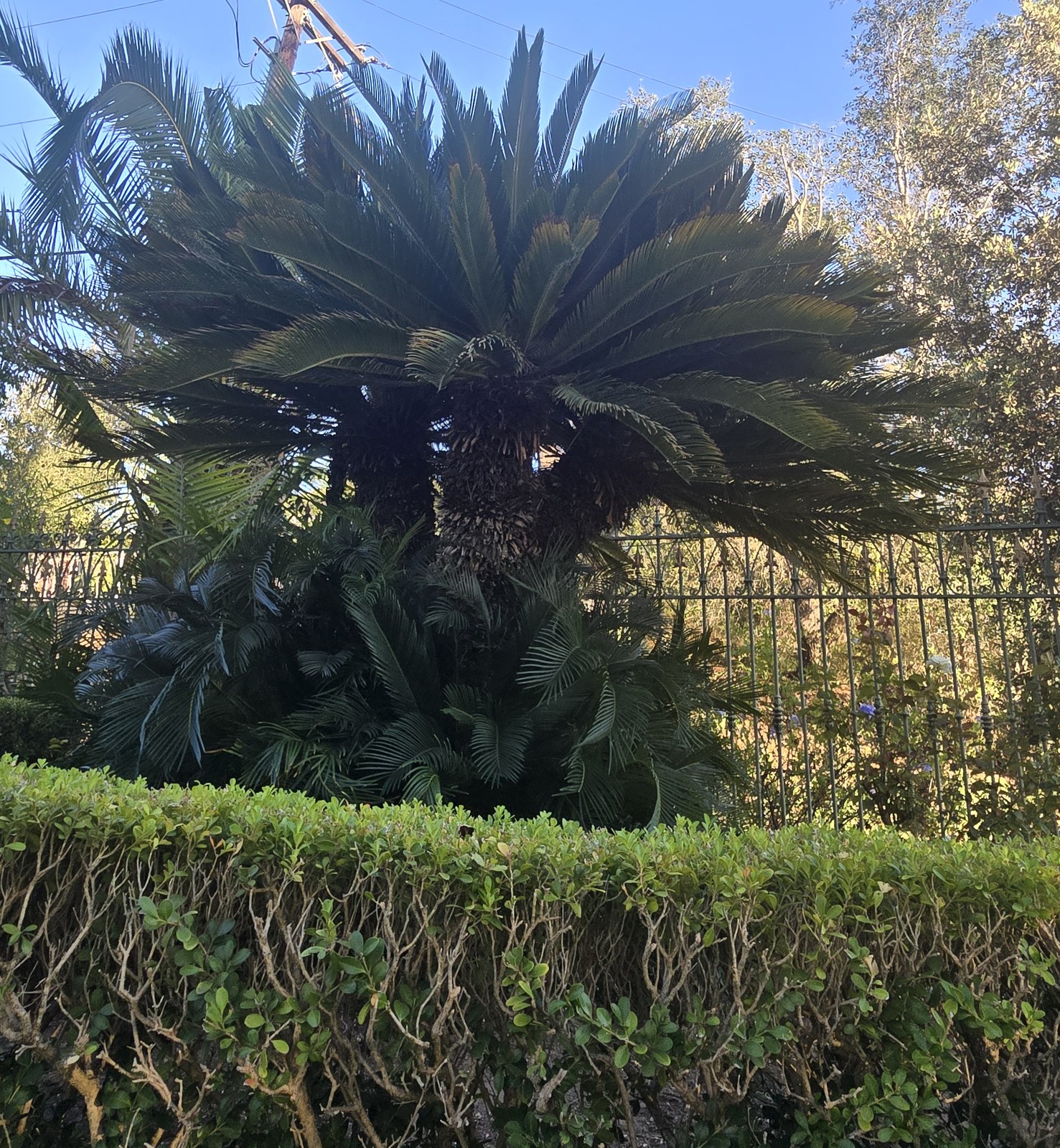
Statement Canary Island Date Palms near Old Winery Road in Poway

Poway’s Statement Canary Island Date Palms Near Old Winery Road

I spent time walking around the Espinosa / Old Winery Road area of Poway and saw some of the strongest Canary Island Date Palm landscapes I’ve come across in North County San Diego.

Many of these properties use mature palms exactly the way they should be used — as long-term landscape assets that define the character of the home. Large Canary Island Date Palms, queen palms, fan palms, and silver-blue specimen palms all contribute to the established estate look that makes this part of Poway stand out.

Healthy mature Canary Island Date Palm in a Poway estate landscape
A healthy mature Canary Island Date Palm anchoring a well-maintained Poway landscape.
Multiple mature palms in front of a Poway estate property
Multiple mature palms creating a classic North County estate feel.
Silver-blue specimen palms in front of a luxury Poway home
Silver-blue specimen palms adding architectural structure and visual impact.

Palms as Long-Term Landscape Assets

These are not disposable landscape plants. A mature Canary Island Date Palm can take decades to develop its size, structure, and visual presence. When healthy, these palms add scale, permanence, and identity to a property in a way few other plants can.

That is why ongoing palm stewardship matters. Mature palms need more than occasional trimming. They benefit from regular observation, proper fertilization, watering awareness, and preventative care when appropriate.

Healthy mature Canary Island Date Palms at a Poway estate
Healthy mature palms helping define the front elevation of a Poway home.
Large mature Canary Island Date Palm in a Poway estate landscape
A mature CIDP used as a true statement palm.
Blue hesper palm and Canary Island Date Palm in Poway landscape
Premium palm combinations can give a property a more intentional, mature look.

The Contrast: Healthy Palms and Signs of Decline

What stood out most during the walk was the contrast. Some properties had beautiful, full, mature palms. Others had Canary Island Date Palms showing signs of serious decline — thinning canopies, collapsing structure, or advanced dieback.

In areas where South American Palm Weevil pressure is a concern, these early warning signs matter. By the time a mature Canary Island Date Palm shows major visual decline, intervention can become much more difficult.

Canary Island Date Palm in Poway showing signs of decline
A mature CIDP showing concerning canopy decline in Poway.
Dead Canary Island Date Palm near healthy palms in Poway
The contrast between healthy palms and advanced decline was visible in the same neighborhood.
Several healthy Canary Island Date Palms and one dead palm in Poway
Healthy mature palms nearby make the loss of a statement CIDP even more noticeable.

Poway Has Palms Worth Protecting

The Espinosa / Old Winery Road area is a reminder of how important mature palms are to Poway’s landscape character. These trees help create the neighborhood’s mature, established, estate-like feel.

For homeowners with mature Canary Island Date Palms, especially large statement specimens, regular monitoring and preventative palm care can help protect the health, beauty, and long-term value of the property.

Learn more about palm care in Poway, Canary Island Date Palm care, and South American Palm Weevil awareness and prevention.

Direct link to this Palm Journal entry

Healthy mature Canary Island Date Palms at Las Palmas in Old Escondido

A Reminder of What Healthy Canary Palms Can Still Look Like in Old Escondido

Driving through Old Escondido recently, I found myself stopping to admire a stand of exceptionally mature and healthy Canary Island Date Palms (Phoenix canariensis) on the Las Palmas property just around the corner from home.

In a time when many Southern California communities are increasingly losing mature palms to South American Palm Weevil pressure, seeing large specimens like these still thriving is worth recognizing.

These palms have clearly become part of the character of the property and neighborhood itself. Mature Canary Island Date Palms are not just landscaping — they are living landmarks that take decades to reach this scale and visual presence.

One thing that stands out in healthy mature Canary palms is the overall fullness of the canopy, strong color, balanced frond structure, and visible vigor in the crown. While no palm is immune to stressors, trees like these serve as a reminder of what proactive care and long-term stewardship can preserve.

I reached out to the property ownership simply to recognize what appears to be a beautiful stand of palms and to encourage continued attention to their health. In areas like Old Escondido, preserving mature specimens matters — once a palm of this age is lost, it cannot realistically be replaced within a generation.

With South American Palm Weevil continuing to spread through San Diego County, monitoring and proactive management of mature Canary Island Date Palms is becoming increasingly important, particularly for properties where palms contribute significantly to the overall appearance and value of the landscape.

These Las Palmas palms are a nice reminder that many iconic Canary palms in our community are still standing strong.

Healthy mature palms are decades in the making. Stewardship today helps preserve the character and value of properties for years to come.

Related Palm Care Resources

Learn more about Canary Island Date Palm care, South American Palm Weevil concerns, and quarterly palm protection in San Diego.

Request a Palm Assessment
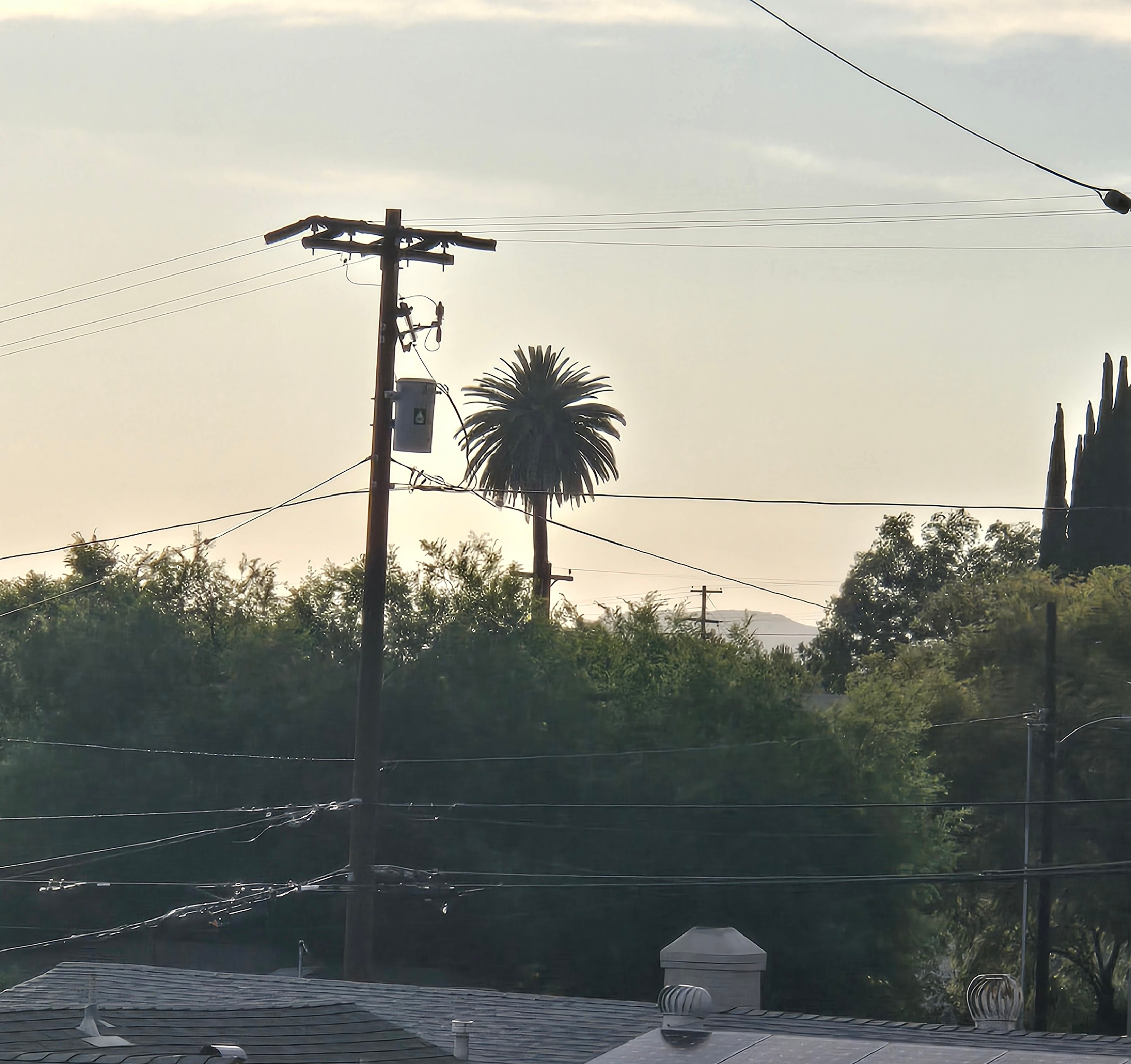
Mature Canary Island Date Palm rising above Old Escondido rooftops at sunset

Old Escondido: A Living Collection of Canary Island Date Palms

Living in Old Escondido, one of the things I notice every day is how many mature Canary Island Date Palms are tucked throughout the neighborhood. They rise above historic homes, apartment courtyards, churches, side streets, and older properties that have been shaped by decades of growth.

The more time I spend walking these streets, the more convinced I become that Old Escondido may quietly have one of the finest collections of mature Canary Island Date Palms in North County — maybe even Southern California.

That may sound like an exaggeration until you start paying attention. Street after street reveals mature specimens with massive trunks, full crowns, and the kind of presence that only comes with age.

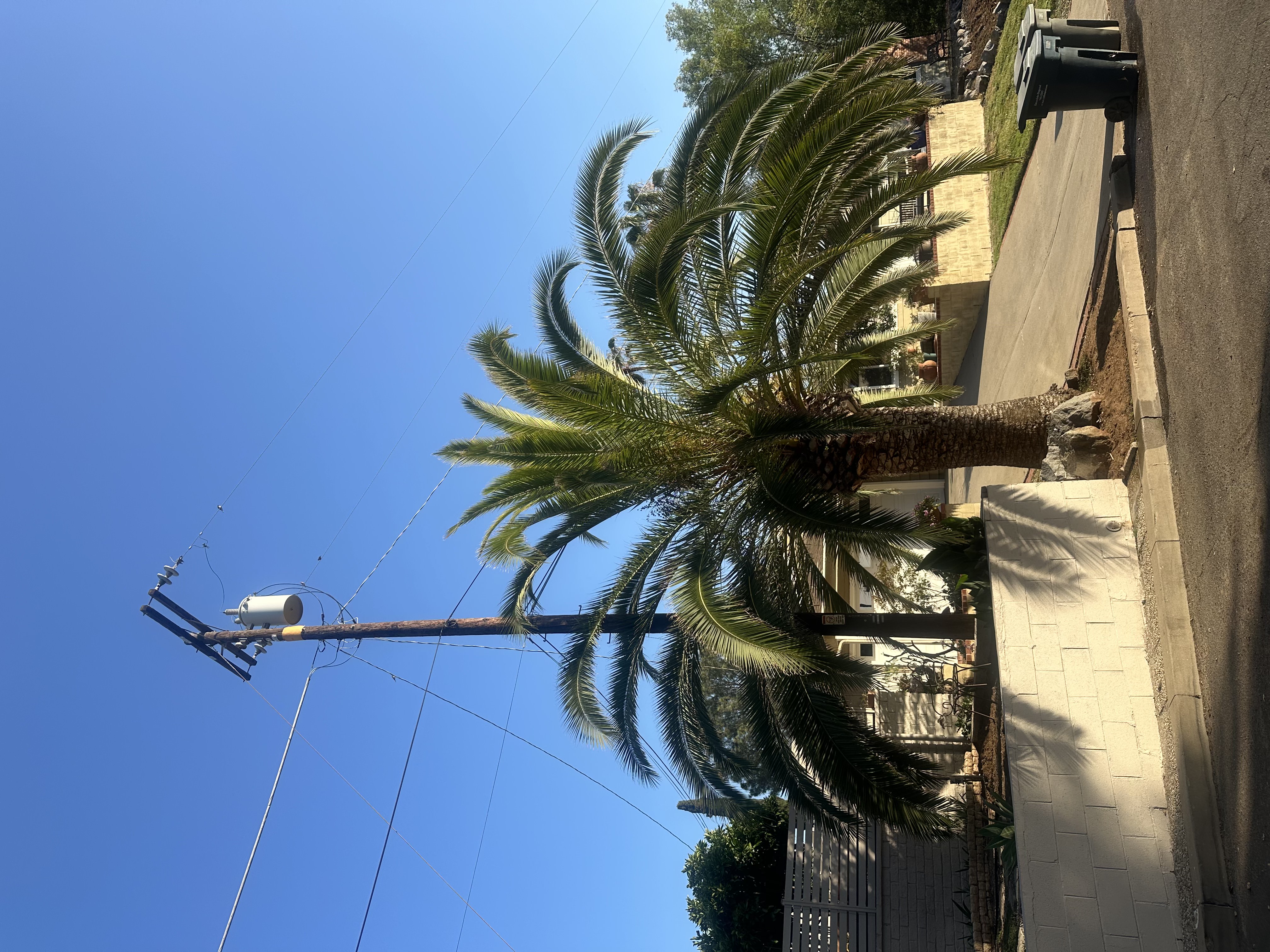
Large mature Canary Island Date Palm in Old Escondido with clear blue sky

Mature Canary Island Date Palms help define the skyline and character of Old Escondido.

Mature Canary Island Date Palm near historic Escondido homes

Many of these palms stand near historic homes, older streets, and long-established neighborhood landscapes.

Mature Canary Island Date Palms near Las Palmas apartments in Old Escondido

Apartment communities and older properties often rely on mature palms for identity and curb appeal.

More Than Ordinary Landscaping

These palms are more than ordinary landscaping. Many took decades to reach their current size. They create shade, scale, age, and a sense of permanence that newer landscapes simply cannot replicate.

You see them at intersections, behind rooftops, above apartment buildings, and standing alone in older residential lots. Some are formal landscape features. Others feel almost hidden — visible only from certain streets, certain angles, or during a late afternoon walk.

Healthy mature Canary Island Date Palms at Felicita Villas in Escondido

Felicita Villas is one example of how powerful mature CIDPs can be in a property landscape.

Mature Canary Island Date Palms at Felicita Villas with dramatic sky

These are not small ornamental plants. They are landmark trees that shape first impressions.

Large healthy Canary Island Date Palm on an Old Escondido residential property

On residential properties, mature Canary palms can become one of the most valuable visual assets in the yard.

A Beautiful Landscape — and a Concerning Reality

That is why protecting these palms matters. Old Escondido has an incredible concentration of mature specimens, but there is also a concerning reality developing. Around the neighborhood, I have seen areas where once-beautiful palms have declined, disappeared, or been removed entirely.

Not every struggling palm has the same cause, but South American Palm Weevil has changed the conversation for mature Canary Island Date Palms in Southern California. Waiting until a palm is clearly collapsing may mean waiting too long.

For homeowners, apartments, churches, HOAs, and older properties, these palms should be treated as long-term landscape assets. They deserve monitoring, nutrition, water support when needed, and proactive attention before decline becomes advanced.

Mature Canary Island Date Palms on a residential street in Old Escondido

The strength of Old Escondido’s palm landscape is how many mature specimens appear across everyday streets.

Older Canary Island Date Palm in Old Escondido neighborhood landscape

Older CIDPs are decades in the making and cannot realistically be replaced within a generation.

Mature Canary Island Date Palm above Juniper Village in Old Escondido

These palms are part of the neighborhood’s identity — visible above homes, courtyards, and community buildings.

Why This Is Personal

One of the reasons I started San Diego Palm Protection is because I live among these palms. I see them every day. I see the healthy ones, the historic ones, the neglected ones, and the ones that are already gone.

Old Escondido’s Canary Island Date Palms are part of what makes this place feel established, historic, and uniquely Southern California. The goal should be simple: recognize what we have before more of it is lost.

Old Escondido may not officially be the Canary Island Date Palm capital of Southern California — but after walking these streets, it is hard not to make the case.

Mature palms are decades-old landscape assets. Local observation, early monitoring, and consistent care can help preserve the character of Old Escondido before advanced decline appears.

If you have a mature Canary Island Date Palm in Escondido or elsewhere in North County and have noticed changes in the crown, color, spear growth, or overall canopy structure, feel free to send photos or request a palm assessment.

Related Palm Care Resources

Learn more about Canary Island Date Palm care, South American Palm Weevil concerns, and quarterly palm protection in San Diego.

Request a Palm Assessment
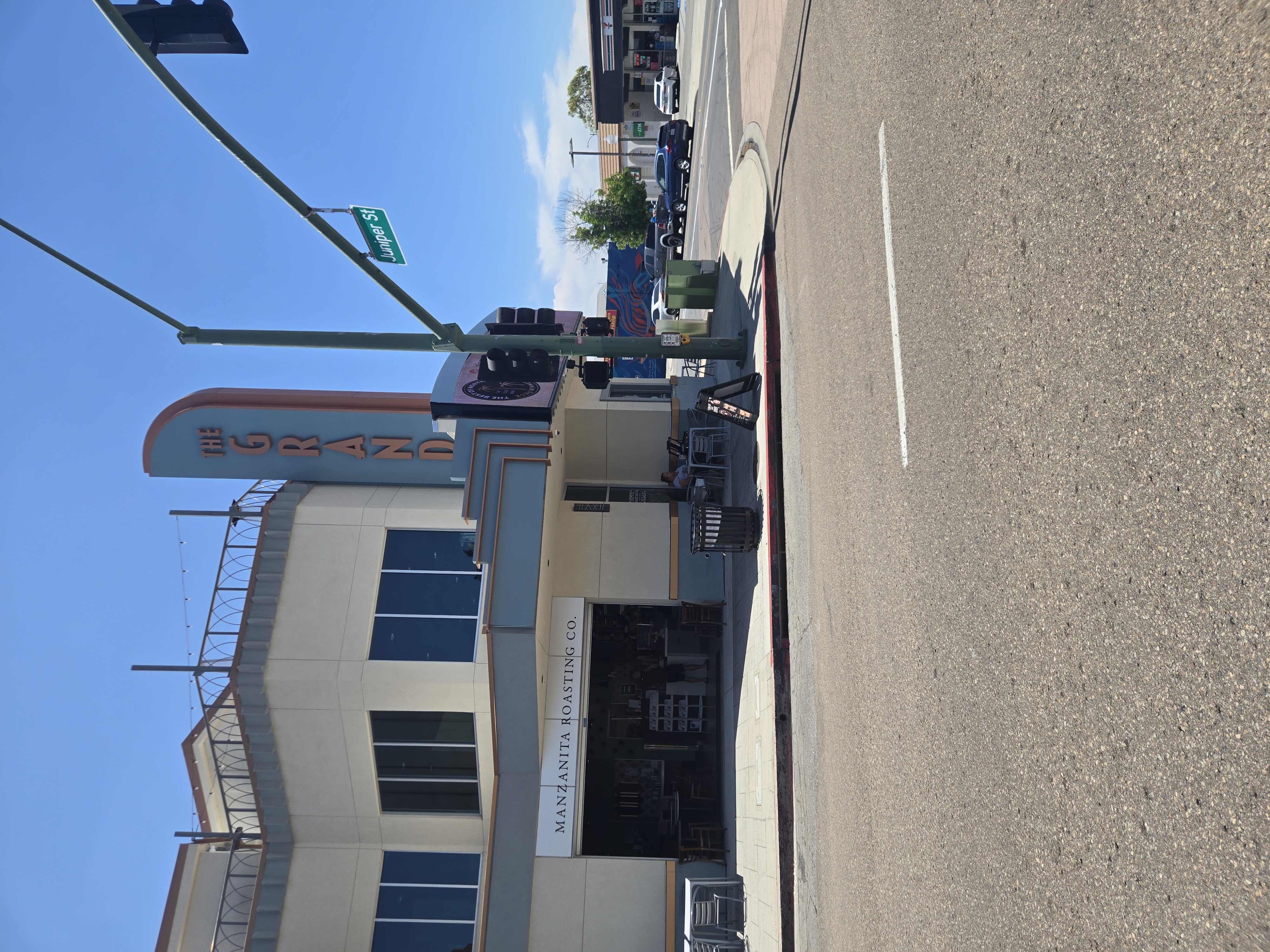
Grand Avenue in Old Escondido near Manzanita Roasting Company

What’s Happening to the Canary Palms on Grand Avenue?

Escondido is the heart of North County San Diego's rich history and culture, and Grand Avenue is the heart of Old Escondido. Over the last several years, the city and local businesses have worked hard to bring new life back to this historic corridor — from new coffee shops and restaurants to revitalized storefronts and community gathering spaces. The Grand Avenue Vision Project is the City of Escondido's initiative to preserve and breathe new energy into the heart of Escondido.

While walking Grand Avenue this week, I noticed something concerning happening quietly in plain sight: some of the mature Canary Island Date Palms (Phoenix canariensis) that help define the character of this historic street appear to be in serious decline.

These palms are not just landscaping. Many of the iconic specimens standing across Escondido and North County today were planted 50–100+ years ago, and have become part of the visual identity of many communities, estates, and historic areas.

Healthy and declining Canary palms across the street from one another on Grand Avenue

Two mature Canary palms - one still healthy, full, and iconic, while the other nearby appears to be in severe decline. These are right across the street from the following photo ->

Declining Canary Island Date Palm on Grand Avenue in Old Escondido

A declining Canary Island Date Palm on Grand Avenue, showing how quickly a mature palm can become part of a larger neighborhood concern. Across the street from the two trees in before photo

Grand Avenue revitalization in Old Escondido

Grand Avenue continues to see new investment and local energy — making the condition of its Canary Island Palms especially valuable.

In many parts of San Diego County, South American Palm Weevil (SAPW) has become an increasing concern for Canary Island Date Palms. While not every declining palm is necessarily related to SAPW, awareness and early observation are becoming more important as mature palms continue to be lost throughout the region.

Unfortunately, by the time major symptoms become obvious, intervention can become much more difficult. Once a mature Canary palm reaches advanced decline, recovery may no longer be possible — meaning the loss of decades of growth and part of the historic character that makes places like Grand Avenue special.

These two palms pictured above are located directly across the street from one another on Grand Avenue. Seeing that contrast in person was a reminder that this issue is very real. Read the related field note from Escondido’s historic district

Why This Matters for Old Escondido

Whether you own a historic home, manage a commercial property, belong to a church, or simply care about the character of Old Escondido, now is a good time to pay attention to the condition of mature Canary palms.

Early observation matters. Monitoring matters. Awareness matters. Protect your assets.

If you’ve noticed changes in a Canary palm in Escondido or elsewhere in North County, feel free to reach out with questions or send photos. I’m always happy to take a look and help point people in the right direction.

Related Palm Care Resources

Learn more about Canary Island Date Palm care, South American Palm Weevil concerns, and quarterly palm protection in San Diego.

Request a Palm Assessment
Healthy Canary Island Date Palm in Old Escondido

A Walk Through Escondido’s Historic District

I like to walk through my neighborhood, and tonight while walking through Escondido’s historic district, I had a good conversation with a local resident about Canary Island Date Palms and the growing concern around South American Palm Weevil activity in North County.

His comment stuck with me:

“It’s only a matter of time with these weevils.”

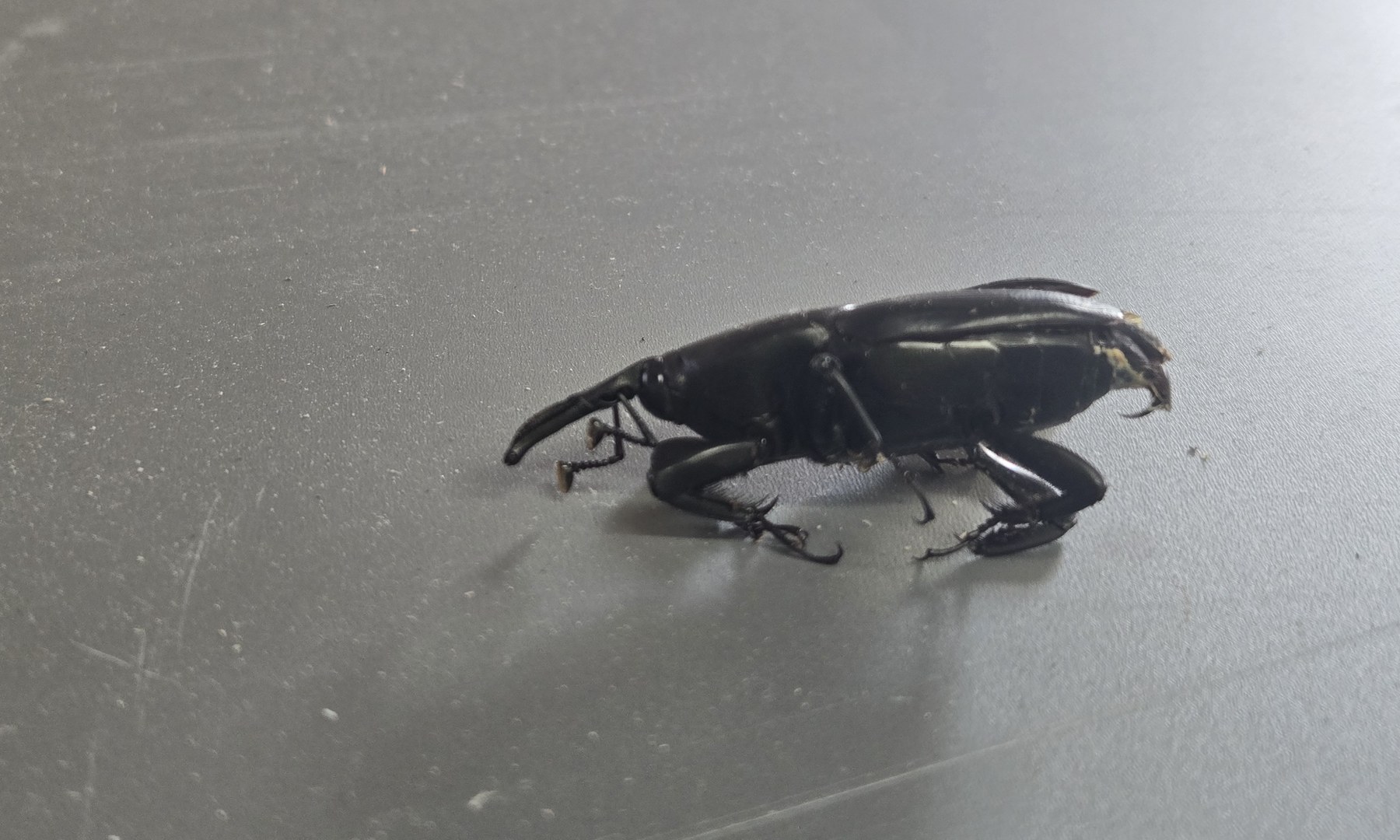
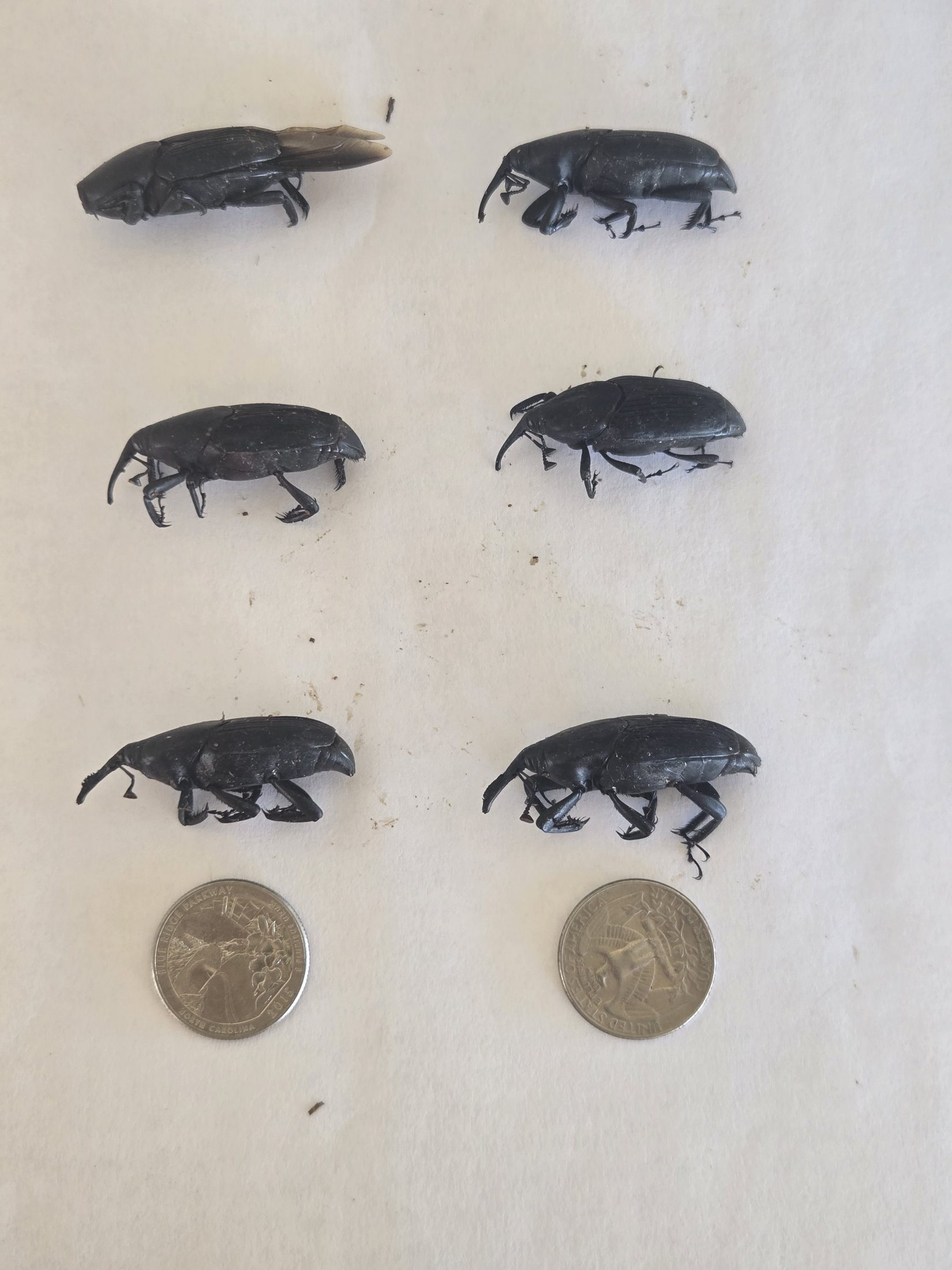
We talked about a nearby palm that had recently been removed. According to him, multiple adult weevils were reportedly found after the palm was cut down — a reminder that serious internal palm damage may not always be obvious from the outside until the decline is already advanced.

On the same walk, the contrast was clear: beautiful, healthy Canary Island Date Palms still anchoring historic properties, and other palms already showing severe decline or loss.

Healthy Canary Island Date Palm in Escondido Historic District

Healthy, mature Canary Island Date Palms remain one of the defining landscape features of Escondido’s historic neighborhoods.

Palm stump from a recently removed Canary Island Date Palm

A recently removed palm stump discussed during the walk. Adult weevils were reportedly found after removal.

Dead Canary Island Date Palms in Escondido Historic District

Nearby dead palms show the other side of the issue: once advanced decline is visible, options may be much more limited.

Why These Local Observations Matter

Palm health is often about catching small changes early. Crown thinning, sudden browning, weak spear growth, trunk damage, or unexplained decline can all be worth a closer look — especially when valuable specimen palms are located near known palm losses.

Escondido’s historic district has some incredible homes with incredible palms. The goal is to keep the properties and palms attractive for years to come.

Local observation, early monitoring, and preventative care can make a meaningful difference before visible decline becomes severe.

Related Palm Care Resources

Learn more about Canary Island Date Palm care, South American Palm Weevil concerns, and quarterly palm protection in San Diego.

Request a Palm Assessment
Healthy Canary Island Date Palm in Rancho Santa Fe

Palm Walk: Rancho Santa Fe Observations

This week, San Diego Palm Protection spent time walking parts of Rancho Santa Fe observing mature Canary Island Date Palms (CIDPs), palm health conditions, local SAPW awareness efforts, and maintenance practices.

While many palms appeared healthy and well-maintained, several observations stood out as reminders that prevention, monitoring, and proper care matter long before visible decline becomes severe.

CIDP showing possible decline in Rancho Santa Fe

Not every palm observed appeared equally healthy. Compared to the healy CIDP on the right, the left is showing as trunk only after significant canopy loss. Significant changes in canopy structure may be worth monitoring more closely

UC monitoring trap for South American Palm Weevil

UC monitoring traps continue to appear throughout North County, reflecting ongoing awareness and monitoring efforts related to South American Palm Weevil (SAPW).

Over-trimmed palm in Rancho Santa Fe

Over-trimming, sometimes called a “hurricane cut,” may leave palms stressed over time. Not only is the SAPW attracted to stressed CIDP's, maintaining fuller canopies is often just healthier for the tree.

What Homeowners May Wish To Watch For

  • Crown thinning or uneven canopy structure
  • Weak or distorted spear growth
  • Sudden browning or missing upper fronds
  • Signs of irrigation or nutrient stress
  • Over-trimming or improper maintenance practices

Healthy palms are often the result of consistency over time. Early observation and preventative care may help avoid more expensive problems later.

Related Palm Care Resources

Learn more about Canary Island Date Palm care, South American Palm Weevil concerns, and quarterly palm protection in San Diego.

Request a Palm Assessment
Healthy Canary Island Date Palm with full crown structure Over-trimmed Canary Island Date Palm with sparse crown

What Healthy Palm Growth Looks Like

Healthy palms are often recognized by overall structure before anything else. A mature Canary Island Date Palm (CIDP) will typically show strong crown fullness, balanced canopy shape, and consistent frond development.

The comparison above shows two very different canopy styles — one fuller and more balanced, the other heavily trimmed with a much more limited canopy.

Healthy Canopy vs. Heavy Trimming

Healthy CIDPs are often recognized by strong crown fullness and balanced structure.

In contrast, aggressive trimming — sometimes called a “hurricane cut” — may leave palms looking sparse and reduce the fuller, natural appearance many homeowners value. Preserving healthy green fronds is often part of maintaining a more balanced canopy over time.

Why Canopy Fullness Matters

Palm health is not only about pests or visible decline. Irrigation, nutrition, trimming practices, and long-term care all influence how a palm looks and performs over time.

What Homeowners May Wish To Watch For

  • Strong crown fullness and balanced canopy structure
  • Consistent green color and healthy new spear growth
  • Sudden thinning, yellowing, browning, or uneven growth
  • Over-trimming or repeated removal of healthy green fronds
  • Irrigation stress, nutrient issues, pests, or other signs of decline

Palm protection is not just reacting to problems — it is preserving healthy, attractive palms through observation and long-term care.

Related Palm Care Resources

Learn more about Canary Island Date Palm care, South American Palm Weevil concerns, and quarterly palm protection in San Diego.

Request a Palm Assessment
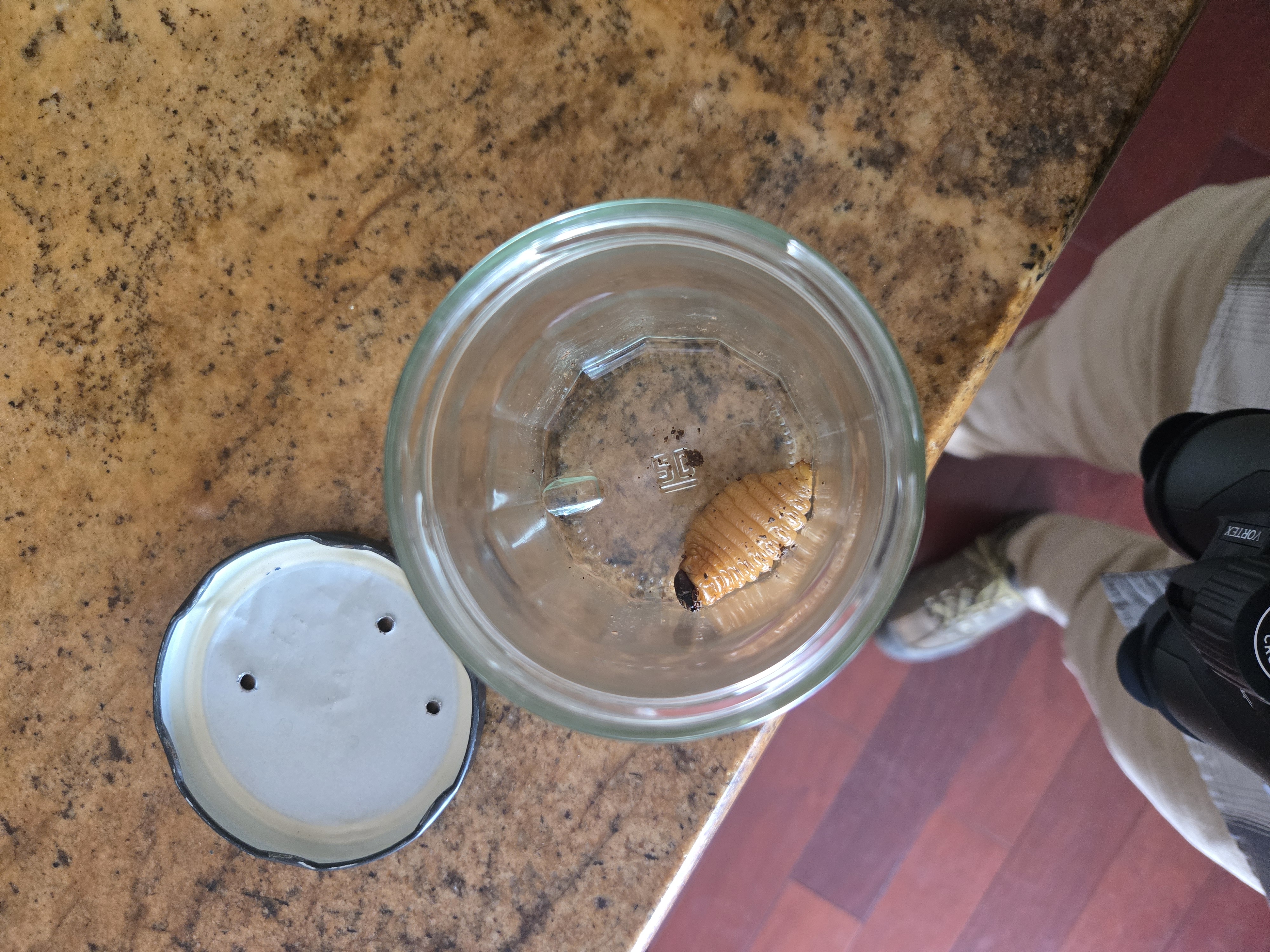
Suspected palm weevil larva collected during a local assessment Reference image of Rhynchophorus cruentatus larvae for comparison

CIDP Assessment: Local Palm Health Concerns

This week, San Diego Palm Protection completed a local palm health assessment involving multiple mature Canary Island Date Palms (CIDPs) exhibiting advanced decline.

During the visit, several CIDPs displayed severe canopy loss and significant crown deterioration. In addition, a palm-boring larval specimen had reportedly been collected on-site, raising concern for possible South American Palm Weevil (SAPW) activity.

While every palm and property are different, the overall conditions observed suggested substantial palm health concerns that warrant closer attention.

Canary Island Date Palm with severe crown deterioration and canopy collapse

Severe canopy loss and crown deterioration can indicate advanced decline in mature Canary Island Date Palms.

Palm-boring larval specimen reportedly collected near declining Canary Island Date Palms

A palm-boring larval specimen was reportedly collected on-site near declining CIDPs during the assessment.

Healthy Canary Island Date Palms near declining palms in a high-risk setting

Healthy-appearing CIDPs located near declining specimens may warrant closer monitoring and proactive protection.

Why Nearby Healthy Palms Matter

One of the most notable observations during this assessment was that several healthy CIDPs remained in close proximity to the declining palms. That type of setting can create an elevated-risk environment, especially when mature palms are close together and there is concern for pest activity nearby.

This raises an important question many homeowners face:

Should healthy palms simply be monitored — or proactively protected?

One challenge with SAPW-related decline is that symptoms may not become obvious until substantial internal damage has already occurred. By the time upper crown decline or canopy collapse becomes visible, treatment options may be more limited.

Signs Homeowners May Wish to Watch For

  • Crown thinning or noticeable canopy changes
  • Missing upper fronds or loss of crown fullness
  • Spear discoloration, distortion, or decline
  • Sudden browning or rapid canopy collapse
  • Unusual trunk damage, wet areas, holes, or frass-like material

The goal of an assessment is to better understand what may be occurring and identify opportunities to protect healthy palms while options remain.

Related Palm Care Resources

Learn more about Canary Island Date Palm care, South American Palm Weevil concerns, and quarterly palm protection in San Diego.

Request a Palm Assessment

Have a Palm Concern?

Text or email a few photos of your palm or yard.

📞 Call or Text 262-492-3135

Text Photos Call Assessment