San Diego Palm Health & Protection Logo San Diego Palm Protection
Palm Health and Stewardship

CIDP Visible Condition Record: Local Palm Health Concerns

A field observation record on local Canary Island date palm health concerns, decline context, and careful visible-condition documentation.

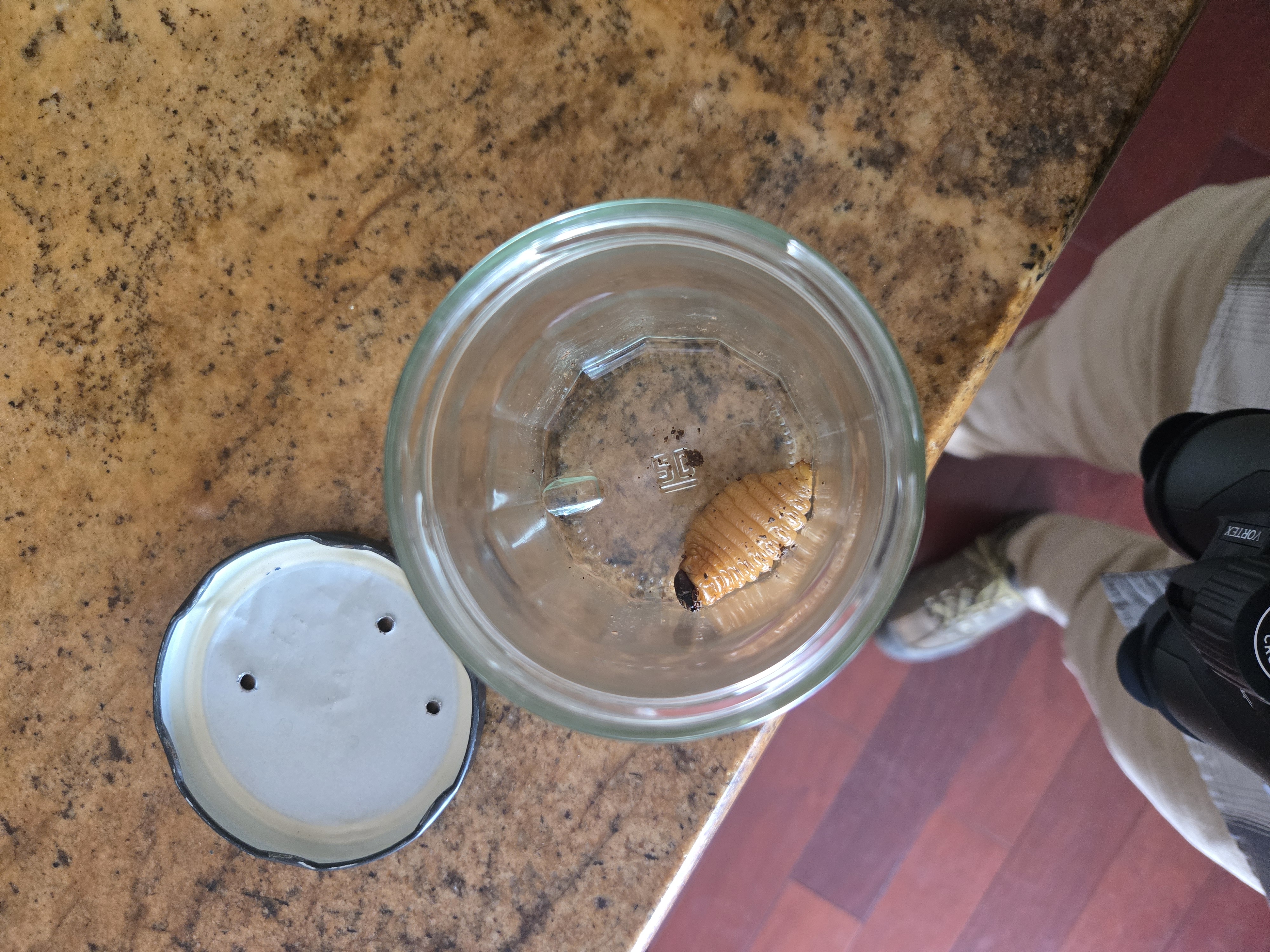
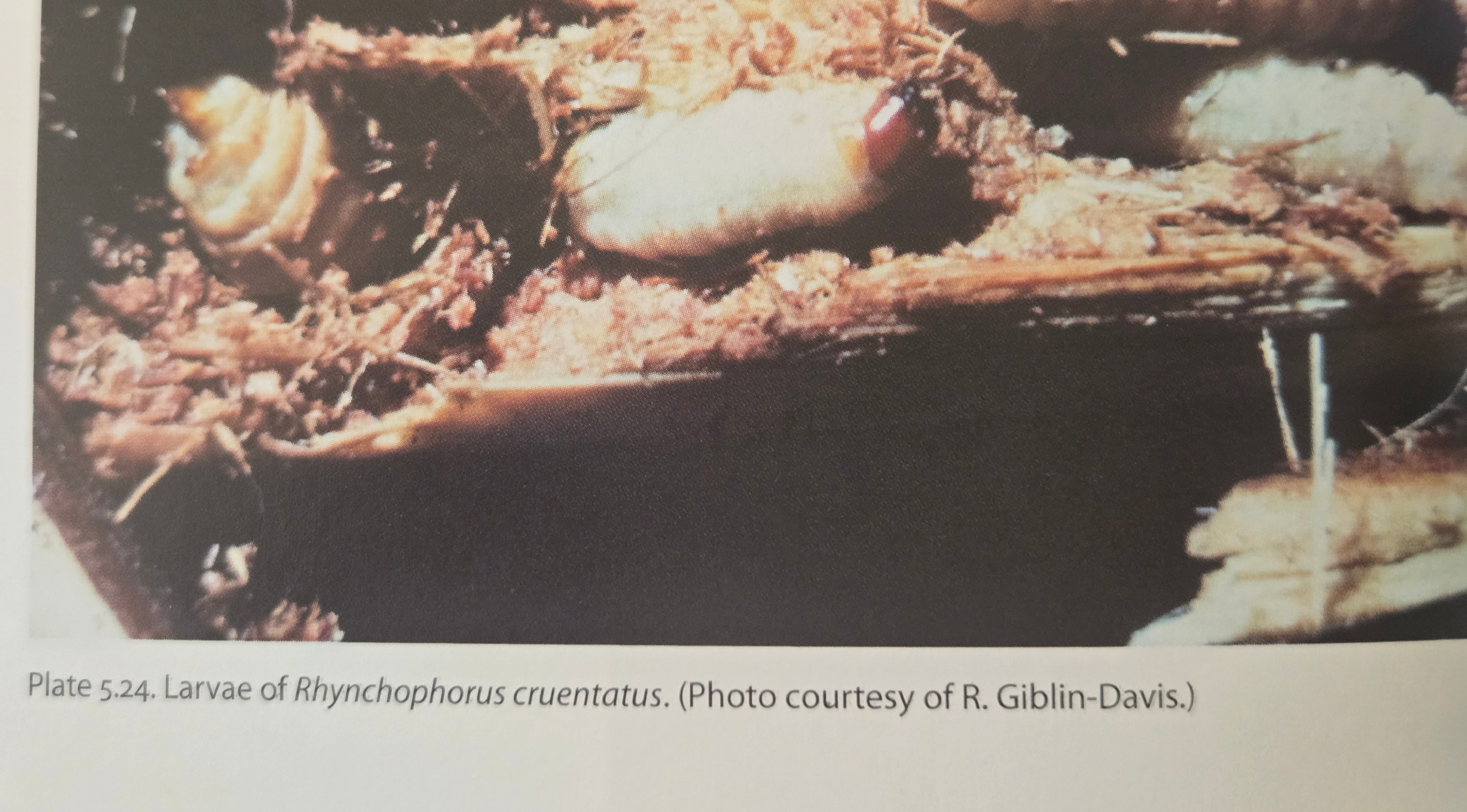
Suspected palm weevil larva collected during a local photographic condition review Reference image of Rhynchophorus cruentatus larvae for comparison

This week, San Diego Palm Protection completed a local palm health photographic condition review involving multiple mature Canary Island Date Palms (CIDPs) exhibiting advanced decline.

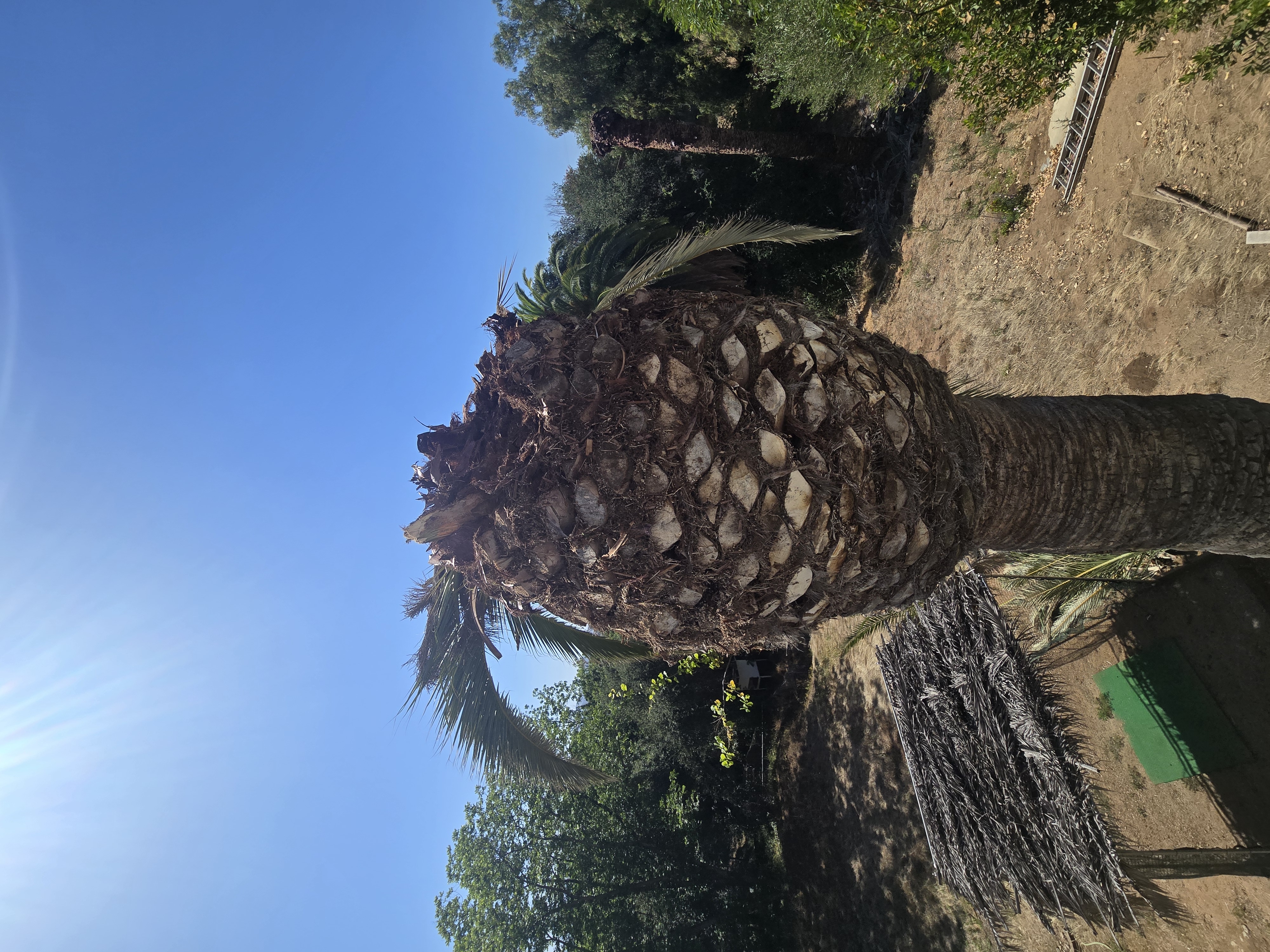
During the visit, several CIDPs displayed severe canopy loss and significant crown deterioration. In addition, a palm-boring larval specimen had reportedly been collected on-site, raising concern for possible South American Palm Weevil (SAPW) activity.

While every palm and property are different, the overall conditions observed suggested substantial palm health concerns that warrant closer attention.

Canary Island Date Palm with severe crown deterioration and canopy collapse

Severe canopy loss and crown deterioration can indicate advanced decline in mature Canary Island Date Palms.

Palm-boring larval specimen reportedly collected near declining Canary Island Date Palms

A palm-boring larval specimen was reportedly collected on-site near declining CIDPs during the photographic condition review.

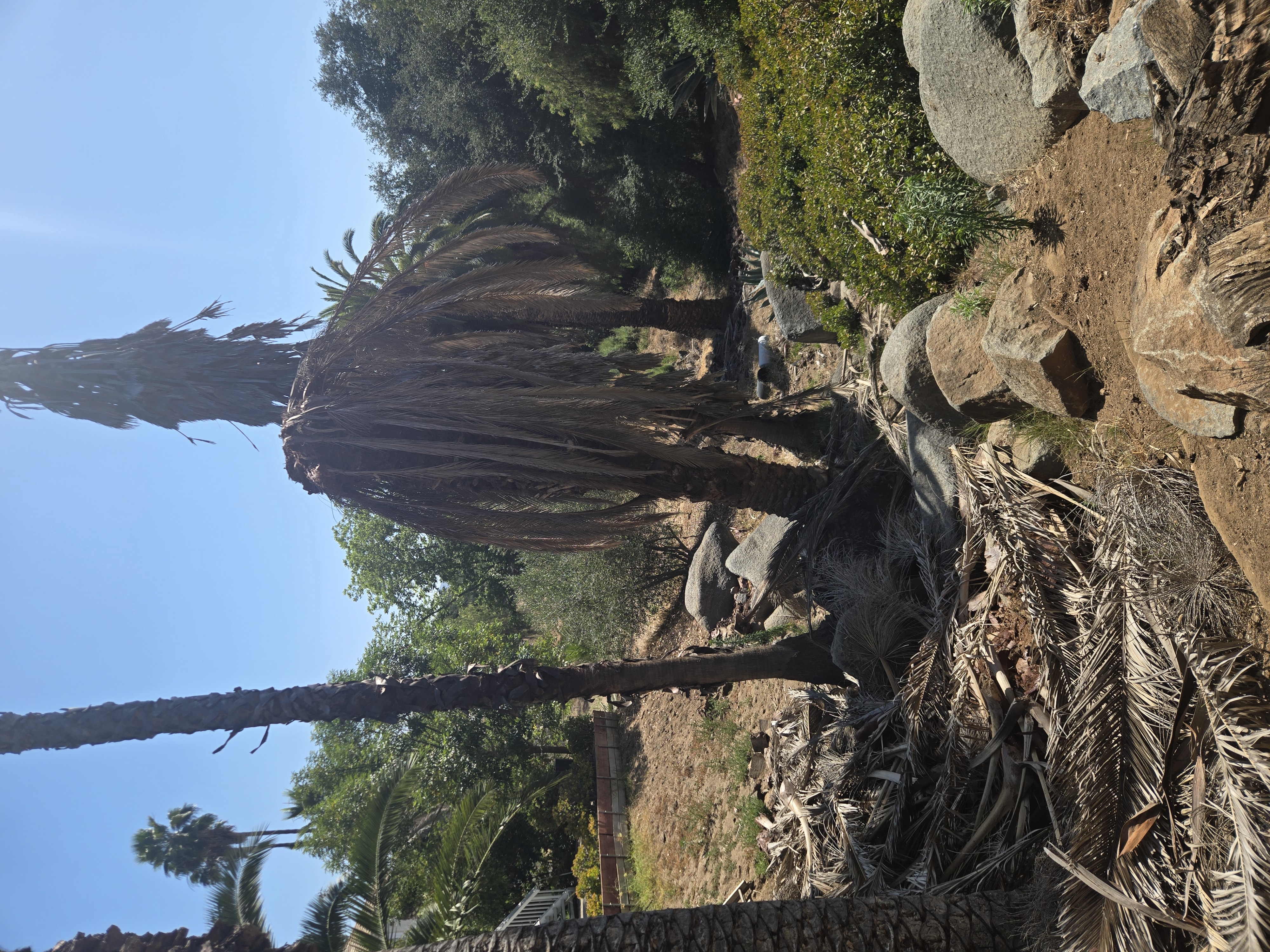
Healthy Canary Island Date Palms near declining palms in a high-risk setting

Healthy-appearing CIDPs located near declining specimens may warrant closer monitoring and proactive protection.

Why Nearby Healthy Palms Matter

One of the most notable observations during this photographic condition review was that several healthy CIDPs remained in close proximity to the declining palms. That type of setting can create an elevated-risk environment, especially when mature palms are close together and there is concern for pest activity nearby.

This raises an important question many homeowners face:

Should healthy palms simply be monitored, or proactively protected?

One challenge with SAPW-related decline is that symptoms may not become obvious until substantial internal damage has already occurred. By the time upper crown decline or canopy collapse becomes visible, treatment options may be more limited.

Signs Homeowners May Wish to Watch For

  • Crown thinning or noticeable canopy changes
  • Missing upper fronds or loss of crown fullness
  • Spear discoloration, distortion, or decline
  • Sudden browning or rapid canopy collapse
  • Unusual trunk damage, wet areas, holes, or frass-like material

The goal of an photographic condition review is to better understand what may be occurring and identify opportunities to protect healthy palms while options remain.

Related resources: Canary Island Date Palm Care, Quarterly Palm Care, and Palm Care FAQ.

Need Help Reading Palm Changes?

SDPP reviews mature palm observations with a preservation-first documentation approach and avoids unsupported diagnosis from a single public image.

Prelicense status: San Diego Palm Protection currently focuses on palm documentation, photographic condition records, and educational resources. Pesticide application, pest-control treatment, palm pruning, removal, and installation services are not currently offered.

Send photos for an educational photo review or call/text 262-492-3135.